
Vein Specialist vs. Vascular Surgeon: Who Should You See?
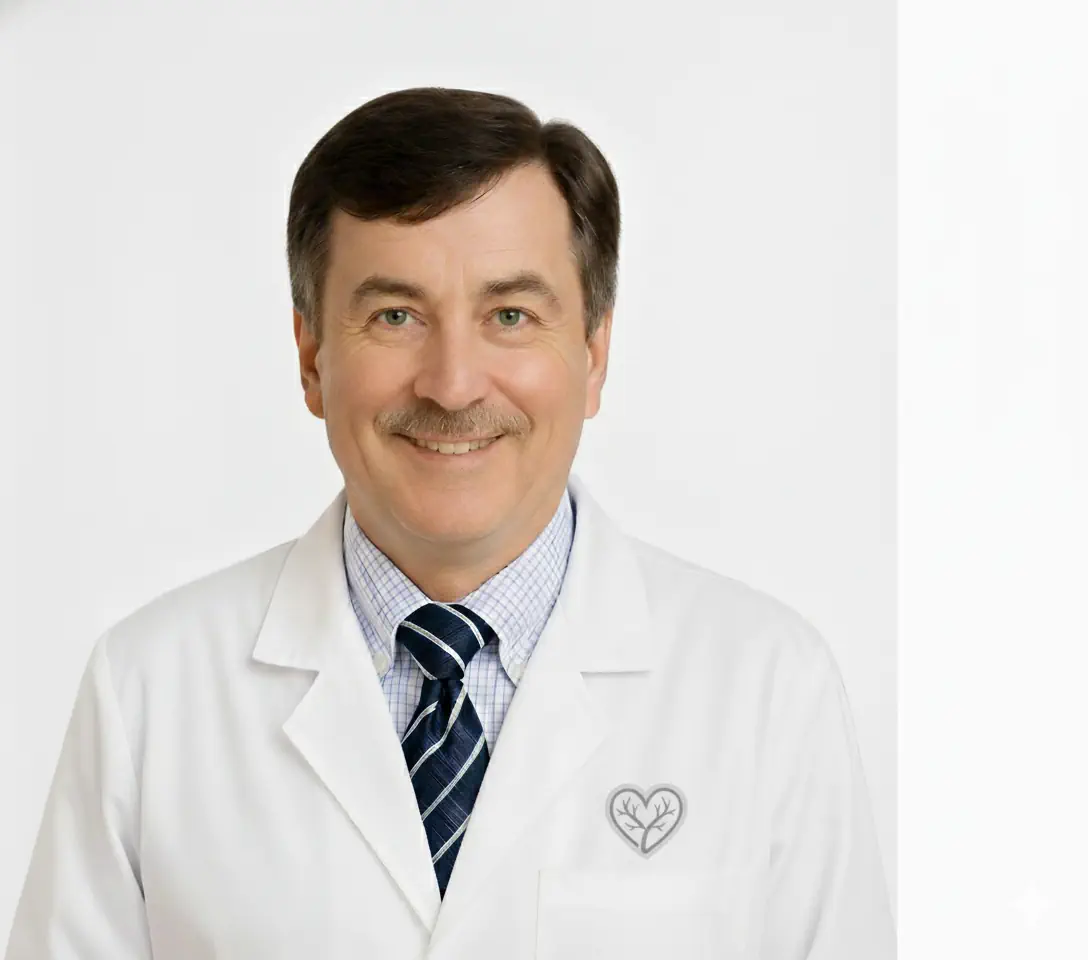
Medically reviewed by Dr. Z. Hadaya, MD
Vein Treatment Centers of NJ
Short answer: if your main problem is varicose veins, spider veins, leg swelling, heaviness, or skin changes near the ankle, a board-certified vein specialist is usually the most direct path. If you have symptoms of arterial disease, such as leg pain when walking that goes away with rest, cold feet, or sores that will not heal, a vascular surgeon or vascular medicine physician is the right call. Many patients start with the wrong one, so here is how the two differ.
Quick Comparison
| Vein specialist | Vascular surgeon | |
|---|---|---|
| Main focus | Diseases of the veins: varicose veins, spider veins, venous insufficiency, venous ulcers | The whole vascular system: arteries, veins, and lymphatics, including open and endovascular surgery |
| Typical conditions | Leg swelling, aching, heaviness, visible veins, stasis skin changes | Aneurysms, blocked arteries, peripheral artery disease, carotid disease, plus venous disease |
| Typical treatments | Ultrasound mapping, radiofrequency or laser ablation, medical adhesive closure, sclerotherapy, phlebectomy | Bypass and open surgery, stents, angioplasty, and in some practices vein procedures too |
| Setting | Often an office or outpatient center | Often a hospital-based practice |
Both are legitimate paths. Some vascular surgeons treat varicose veins every week, and some vein-only practices are led by physicians who trained in surgery or internal medicine. What matters most is how much of the practice is devoted to veins, and whether the doctor personally performs your ultrasound and treatment.
What a Vein Specialist Does
A vein specialist (sometimes called a phlebologist or venous medicine physician) concentrates on venous disease. The usual visit includes a symptom review, a physical exam, and a duplex ultrasound of the leg veins to look for reflux, which is blood flowing backward through weakened valves. From there, treatment is typically minimally invasive and done in the office or an outpatient setting:
- Radiofrequency (RFA) and laser (EVLT) ablation for larger varicose veins and the underlying reflux
- VenaSeal medical adhesive, a no-heat option for some patients
- Sclerotherapy for spider veins and smaller varicose veins
- Ambulatory phlebectomy for bulging surface veins
What a Vascular Surgeon Does
Vascular surgeons are trained to treat conditions throughout the arteries and veins, including problems that need open surgery or complex endovascular repair. They are often the right specialist for arterial blockages, aneurysms, and limb-threatening circulation problems. Some also offer vein ablation and sclerotherapy, but vein care may be one part of a much broader practice.
Which One Fits Your Symptoms?
See a vein specialist first if you have:
- Bulging, twisting, or visible veins in the legs
- Aching, heaviness, or cramping that is worse at the end of the day
- Swelling in the ankles or lower legs that improves when you elevate your legs
- Brown discoloration, itchy or irritated skin near the ankles (skin changes can be a sign of venous disease)
- Spider veins that bother you or come with other symptoms
Consider a vascular surgeon or vascular medicine doctor if you have:
- Leg pain when walking that eases with rest
- Cold, pale, or bluish feet, or weak pulses in the feet
- Sores on the feet or toes that are slow to heal
- A known aneurysm or a history of stroke or arterial blockage
Get urgent care right away if you have:
- Sudden swelling, warmth, and pain in one leg, which can signal a blood clot (learn about DVT warning signs)
- Chest pain or shortness of breath
Do You Need a Referral?
Requirements depend on your insurance plan. Some plans want a referral from a primary care physician, and others do not. The simplest step is to call the office and ask. At Vein Treatment Centers of New Jersey, our team offers free insurance verification, so you can find out what your plan requires and what it may cover before you book.
Questions to Ask Any Doctor Before Treatment
- Are you board-certified, and in which specialty?
- How much of your practice is vein care?
- Will you personally perform and interpret my ultrasound?
- Which treatment options do you offer, and why do you recommend this one for me?
- What will my plan cover, and can your office verify it before treatment?
For a deeper checklist, see our guide on how to choose the best vein specialist in NJ and why credentials matter.
Frequently Asked Questions
Is a vein doctor the same as a vascular surgeon?
Not always. A vein doctor focuses on venous disease. A vascular surgeon treats the entire vascular system and may or may not concentrate on veins. Some physicians fit both descriptions.
Which doctor should I see for varicose veins?
A board-certified vein specialist or a vascular surgeon who regularly treats venous disease can both help. Look for someone who performs a full ultrasound evaluation and explains your options before recommending a procedure.
Will insurance cover a vein evaluation?
Coverage depends on your plan and whether treatment is medically necessary. Our insurance guide for varicose vein treatment in NJ explains how medical necessity is typically documented, and our office can verify your benefits at no charge.
Do I need to go to a hospital for vein treatment?
Most modern vein treatments, including ablation and sclerotherapy, are minimally invasive and performed in an office or outpatient setting. Your doctor will tell you if your case needs anything more.
Not Sure Which Specialist You Need?
Start with a vein evaluation at our Hamilton, Mercer County practice. A board-certified physician will review your symptoms and examine your legs, and if something falls outside venous disease, we will tell you and point you to the right specialist. You can also take our 3-minute online vein self-assessment on the home page.
Call 609-585-4666 or book online to schedule a consultation and free insurance verification.
For informational purposes only. This article is not medical advice. If you think you may have a blood clot or another emergency, call 911 or go to the nearest emergency room.
Ready to Address Your Vein Concerns?
Schedule a consultation with Dr. Hadaya to discuss your condition and explore treatment options.