
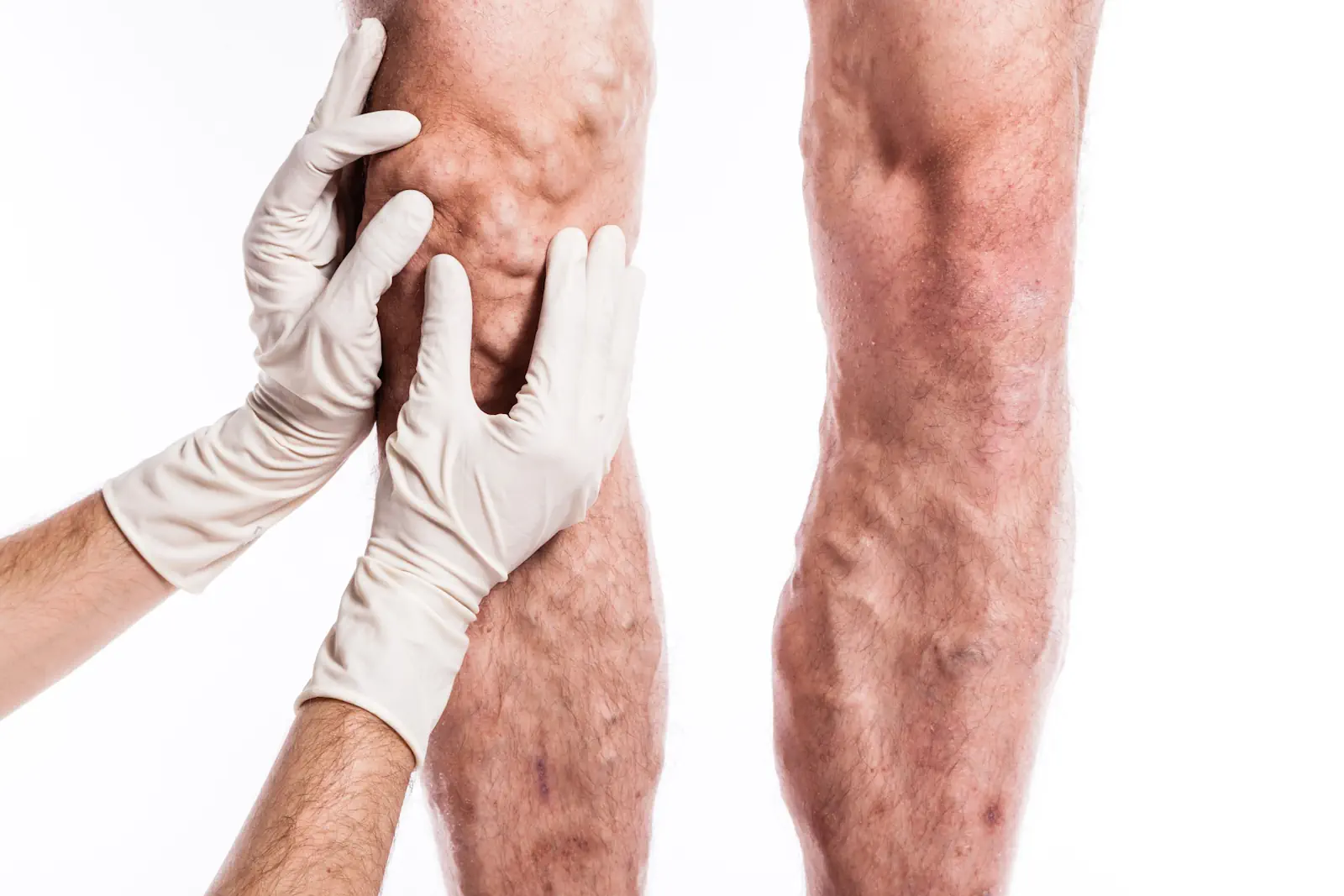
Vascular Disease
Understanding circulatory system disorders
Medically reviewed by Dr. Z. Hadaya, MD · Board-Certified Vein Specialist· Last reviewed September 2026
What is Vascular Disease?
Vascular disease refers to any condition that affects your circulatory system, which includes arteries, veins, and lymphatic vessels. These conditions can range from varicose veins to more serious arterial blockages. The vascular system is responsible for transporting blood throughout your body, delivering oxygen and nutrients to tissues and removing waste products.
When blood vessels become diseased, blocked, or weakened, it can lead to serious health complications. Early detection and treatment are crucial for preventing progression and maintaining optimal vascular health.
Types of Vascular Disease
Venous Diseases
- • Chronic venous insufficiency
- • Varicose veins
- • Spider veins
- • Deep vein thrombosis (DVT)
Arterial Diseases
- • Peripheral arterial disease (PAD)
- • Atherosclerosis
- • Aneurysms
- • Arterial blockages
Warning Signs
- •Leg pain or cramping with activity
- •Swelling in legs or ankles
- •Skin color or temperature changes
- •Visible varicose or spider veins
- •Slow-healing wounds on legs or feet
- •Numbness or weakness in legs
Risk Factors
Lifestyle Factors
- • Smoking
- • Sedentary lifestyle
- • Poor diet
- • Obesity
Medical Conditions
- • Diabetes
- • High blood pressure
- • High cholesterol
- • Blood clotting disorders
Other Factors
- • Age (over 50)
- • Family history
- • Pregnancy
- • Prolonged standing or sitting
Diagnosis and Treatment
Diagnostic Tools
- •Duplex ultrasound examination
- •Ankle-brachial index (ABI) testing
- •CT or MRI angiography
- •Physical examination and medical history
Treatment Approaches
- •Lifestyle modifications and exercise
- •Compression therapy
- •Minimally invasive procedures
- •Medications for symptom management
Prevention Strategies
Stay Active
Regular exercise improves circulation and maintains healthy blood vessels.
Maintain Healthy Weight
Reduces pressure on blood vessels and lowers disease risk.
Quit Smoking
Smoking significantly increases vascular disease risk.
Manage Chronic Conditions
Control diabetes, blood pressure, and cholesterol levels.
Eat a Heart-Healthy Diet
Focus on fruits, vegetables, whole grains, and lean proteins.
Regular Check-ups
Early detection through screening can prevent complications.
Expert Vascular Care
Dr. Hadaya is a board-certified vein specialist with extensive experience in diagnosing and treating all types of vascular disease. Schedule a comprehensive evaluation to protect your vascular health and prevent serious complications.
How Vascular Disease of the Legs Is Diagnosed
"Vascular disease" covers both the venous system (veins returning blood to the heart) and the arterial system (arteries delivering blood to the legs). The evaluation starts by separating the two, because the symptoms overlap but the treatments are opposite in some respects.
Dr. Hadaya examines the legs, checks pulses and skin, and uses duplex ultrasound to map blood flow. Ultrasound shows venous reflux and obstruction directly; when arterial disease is suspected, an ankle-brachial index or a referral to a vascular surgeon is arranged. Getting the right diagnosis is what makes treatment safe and effective.
Learn about the vein ultrasound evaluationTreatment Options for Venous Vascular Disease
For the venous component — the part a phlebology practice treats — care is minimally invasive and staged. Arterial disease is co-managed with a vascular surgeon.
Risk-factor and lifestyle management
Walking, weight management, not smoking, and controlling blood pressure and blood sugar protect both the veins and the arteries. Compression supports the venous side.
Endovenous ablation
Radiofrequency or laser closure of a refluxing saphenous vein, done in the office under local anesthesia, relieves the pressure that causes aching, swelling, and skin changes.
Sclerotherapy and phlebectomy
Close or remove the smaller diseased surface veins after the main reflux is addressed.
Coordinated arterial care
If the work-up points to peripheral arterial disease, we coordinate with a vascular surgeon so both problems are managed and neither treatment compromises the other.
Warning Signs of Leg Vascular Disease
Leg circulation problems are progressive and, in the case of arterial disease, can become limb-threatening. Seek evaluation for:
- •Leg pain with walking that eases with rest (claudication)
- •Aching, heaviness, or swelling that worsens through the day
- •Skin discoloration, hair loss on the legs, or slow-healing wounds
- •Coldness, numbness, or color change in the foot
What to Expect at Your First Visit
The first appointment is a free screening. Dr. Hadaya reviews your history and risk factors, examines the legs and pulses, and performs or schedules a duplex ultrasound to characterize the blood flow.
You leave with a written assessment that identifies the venous and, if relevant, the arterial components, the recommended next steps for each, and how your insurance applies. Anything that falls outside phlebology is referred to the right specialist.
Insurance and Cost
Diagnostic ultrasound and treatment of symptomatic venous reflux are generally covered by Medicare, Medicaid, and most major plans as medically necessary, typically after a documented compression trial.
Our billing team verifies your specific coverage and any out-of-pocket cost in writing before treatment, and flexible payment options are available for anything not covered.
Frequently Asked Questions
What is the difference between venous and arterial disease?
Venous disease is a problem with blood returning from the legs — the valves leak, blood pools, and pressure builds, causing swelling, varicose veins, and skin changes. Arterial disease is reduced blood being delivered to the legs, causing pain with walking, coldness, and poor wound healing. A vein specialist treats the venous side and coordinates arterial care.
Can I have both at the same time?
Yes, and it is common with age and shared risk factors like diabetes and smoking. That is exactly why the evaluation checks for both — treating one while missing the other can lead to problems, especially with compression, which must be used cautiously if significant arterial disease is present.
Is leg vascular disease serious?
The venous form is progressive and worsens quality of life over years. The arterial form can be limb-threatening if severe. Either way, early evaluation lets you manage risk factors and treat problems while they are still straightforward.
Does treating my varicose veins help my overall circulation?
Closing refluxing veins redirects blood into healthy veins and lowers pressure in the leg, which improves venous return. It does not treat arterial disease, which is why the diagnosis matters.
Do you do the ultrasound in the office?
Yes. The duplex venous ultrasound is performed in our Hamilton, NJ office. It is painless, takes about 30 minutes, and the results are reviewed with you the same visit.
Ready to book?
If those answers cleared things up, the next step is a free vein screening with Dr. Hadaya.
Book a free screeningRelated Treatments
Venous Insufficiency
The venous side of vascular disease: failing leg-vein valves that cause pooling, pressure and skin changes over time.
Ultrasound Evaluation
Duplex ultrasound identifies the specific problem — reflux, obstruction or both — and guides the treatment plan.
Varicose Veins
Minimally invasive treatment for the varicose veins that often accompany venous vascular disease.