
Microphlebectomy in Hamilton NJ
Minimally invasive surgical technique to remove large surface veins through tiny incisions with excellent cosmetic results
Medically reviewed by Dr. Z. Hadaya, MD · Board-Certified Vein Specialist· Last reviewed September 2026
What is Microphlebectomy?
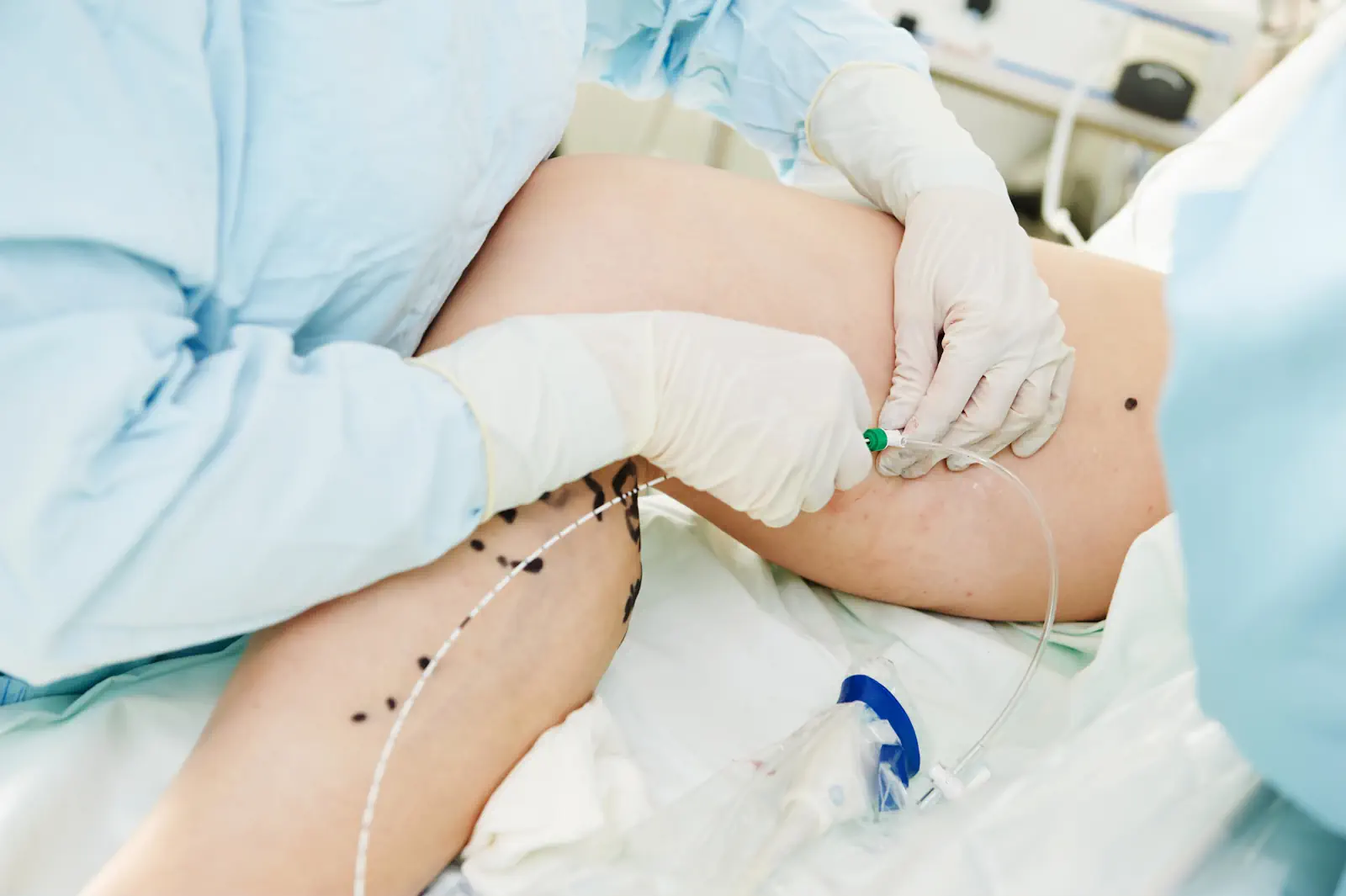
Microphlebectomy, also called ambulatory phlebectomy, is a minimally invasive surgical procedure used to remove varicose veins that are close to the surface of the skin. This outpatient procedure is performed under local anesthesia at our Hamilton, New Jersey vein treatment center.
During the procedure, Dr. Hadaya makes tiny incisions (2-3mm) along the affected vein and uses a specialized hook to gently remove the vein in small sections. The incisions are so small that they typically don't require stitches and leave minimal to no scarring.
Microphlebectomy is ideal for treating bulging varicose veins that are too large for sclerotherapy but can be removed without stripping the entire vein. The procedure offers excellent cosmetic results and immediate relief from symptoms.
Procedure Benefits
Ideal Candidates
What to Expect
Consultation and ultrasound evaluation
Outpatient procedure under local anesthesia
Small incisions along the vein
Gentle removal of veins
Compression stockings after procedure
Recovery
Most patients can walk immediately after the procedure and return to work the next day. Normal activities can be resumed within a few days, with strenuous exercise allowed after 1-2 weeks.
How Ambulatory Phlebectomy Works
Ambulatory phlebectomy — also called microphlebectomy or stab phlebectomy — physically removes bulging surface varicose veins through a series of tiny punctures, each about the size made by an 18-gauge needle. The vein segments are lifted out with a small hook; nothing is left behind to reabsorb or fade over time, so the cosmetic result is immediate.
It is usually done after, or alongside, treatment of the underlying refluxing vein (with radiofrequency ablation or VenaSeal). Closing the source vein stops the pressure that created the varicosities; phlebectomy clears the visible clusters that a heat or adhesive procedure would not resolve on their own.
How It Compares to Other Options
Sclerotherapy is better for smaller veins and spider veins and needs no incisions, but large, rope-like varicose veins often respond incompletely and can leave firm cords or staining. Phlebectomy removes those larger veins in one session with a cleaner result.
Compared with the old "vein stripping" operation, phlebectomy is done under local anesthesia in the office, needs no general anesthesia or hospital stay, leaves marks rather than scars, and lets patients walk immediately. It targets only the diseased segments, leaving healthy veins in place.
Risks and Side Effects
Ambulatory phlebectomy is a low-risk office procedure, but as with any procedure there are things to expect and, less often, complications to be aware of:
- •Bruising and mild tenderness along the treated vein for one to two weeks — the most common effect
- •Small areas of numbness near a puncture site, from irritation of a tiny skin nerve; this usually resolves over weeks to months
- •Temporary lumpiness or firmness under the skin as the area heals
- •Uncommon: minor bleeding, a small pocket of trapped blood, superficial infection, or a patch of skin discoloration
Recovery Timeline
You walk out of the office and are encouraged to walk frequently that day and the next — movement is part of the healing. A compression stocking is worn for about one to two weeks. Most people return to desk work the next day and to light exercise within a few days.
Strenuous exercise, heavy lifting, and long flights are held for about a week. Bruising fades over one to two weeks and any firmness settles over the following month. The tiny puncture sites typically become hard to find within a few months.
Insurance and Cost
When phlebectomy treats symptomatic varicose veins caused by documented venous reflux, it is generally covered by Medicare, Medicaid, and most major plans as medically necessary, usually after a compression trial and often in combination with ablation of the source vein.
Phlebectomy done solely for appearance is not covered. Our billing team confirms your specific coverage and any out-of-pocket cost in writing before your procedure, and offers flexible payment options for anything not covered.
Frequently Asked Questions
Will the treated veins grow back?
The vein segments that are removed are gone permanently. Because the underlying tendency toward vein disease remains, new varicose veins can form over the years, particularly if the source reflux was not also treated. Treating the feeding vein at the same time makes recurrence much less likely.
Does it hurt?
The area is numbed with local anesthetic, so during the procedure most patients feel tugging or pressure rather than pain. Afterward there is usually mild soreness and bruising that over-the-counter pain relievers handle well.
Will I have scars?
The punctures are small enough that they are closed with tape rather than stitches. They usually heal to faint marks that fade over months and, in most people, become difficult to see.
How many sessions will I need?
Most patients have all their bulging veins in one leg removed in a single session, often combined with ablation of the source vein. Extensive disease is occasionally staged into two visits.
How is this different from sclerotherapy?
Sclerotherapy injects a solution that collapses a vein from the inside and works best for small and medium veins. Phlebectomy physically removes larger surface veins through tiny openings. Dr. Hadaya often uses both — phlebectomy for the ropey veins, sclerotherapy to finish the smaller branches.
Get Expert Microphlebectomy in Hamilton
Schedule your free consultation today
Schedule Your Free Consultation
Book an appointment with our board-certified vein specialists today
Related Treatments
Varicose Veins
RFA, VenaSeal and sclerotherapy for the source veins treated alongside a phlebectomy.
Venous Insufficiency
The underlying valve failure that phlebectomy addresses at the surface.
Ultrasound Evaluation
The duplex scan that maps which veins to close and which to remove.