
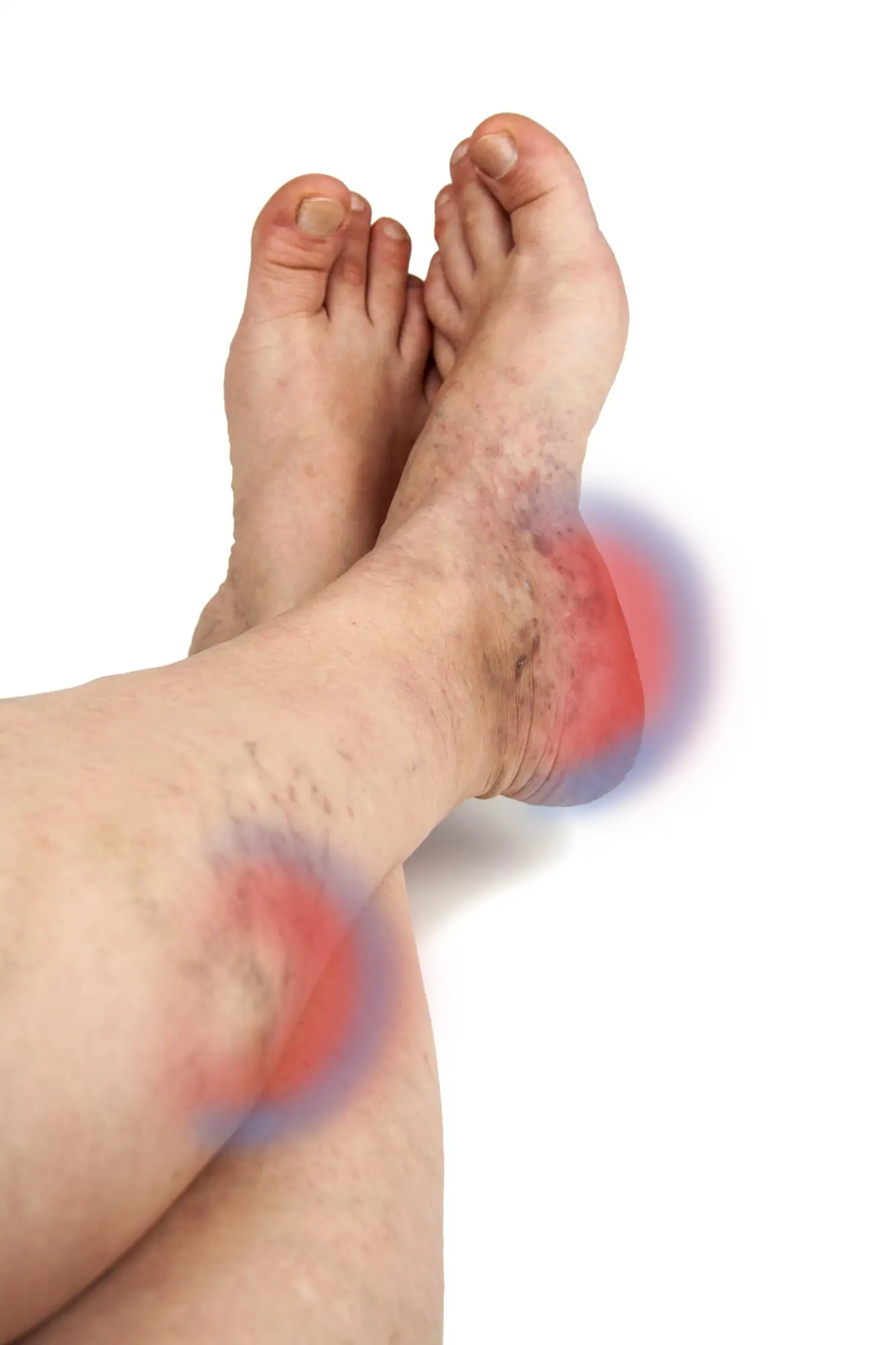
Stasis Dermatitis
Skin changes caused by venous insufficiency
Medically reviewed by Dr. Z. Hadaya, MD · Board-Certified Vein Specialist· Last reviewed September 2026
What is Stasis Dermatitis?
Stasis dermatitis, also known as venous eczema or gravitational dermatitis, is a skin condition that develops when blood pools in the veins of the lower legs due to poor circulation. This condition is directly related to venous insufficiency and typically affects the lower legs and ankles.
When blood flow is impaired, fluid can leak from the veins into surrounding tissue, causing inflammation and skin changes. If left untreated, stasis dermatitis can lead to more serious complications including venous ulcers.
Signs and Symptoms
- •Reddish-brown or purple discoloration of the skin
- •Itching and irritation
- •Dry, scaly, or thickened skin
- •Swelling in the lower legs and ankles
- •Open sores or weeping fluid
- •Pain or tenderness in affected areas
- •Visible varicose veins
Risk Factors
- •History of deep vein thrombosis (DVT)
- •Obesity or excess weight
- •Prolonged sitting or standing
- •Previous leg injuries
- •Age over 50
- •Multiple pregnancies
- •Family history of venous disease
Treatment Approaches
Skin Care Management
- •Gentle cleansing and moisturizing
- •Topical corticosteroids for inflammation
- •Medicated creams to reduce itching
- •Proper wound care if skin is broken
Vascular Treatment
- •Compression therapy with medical-grade stockings
- •Treatment of underlying venous insufficiency
- •Endovenous procedures to improve circulation
- •Leg elevation and exercise program
Prevention and Long-term Management
Wear Compression Stockings
Medical-grade compression helps prevent blood pooling and reduces swelling.
Elevate Your Legs
Rest with legs elevated above heart level several times daily.
Stay Active
Regular walking and exercise improve circulation.
Get Expert Skin and Vein Care
Stasis dermatitis requires treatment of both the skin condition and the underlying venous insufficiency. Our specialists provide comprehensive care to heal your skin and prevent future complications.
How Stasis Dermatitis Is Diagnosed
Stasis dermatitis is a skin sign of a circulation problem, so the evaluation looks past the skin. Dr. Hadaya examines the affected areas — usually the inner ankle and lower calf — for the characteristic reddish-brown discoloration, scaling, and firmness, and checks for swelling and varicose veins.
A duplex ultrasound of the leg veins confirms whether venous reflux is the underlying driver. Because stasis dermatitis can be mistaken for cellulitis, eczema, or a contact allergy, distinguishing it matters — the treatments are completely different, and treating the veins is what stops it from returning.
Learn about the vein ultrasound evaluationTreating Stasis Dermatitis at Its Source
Skin care calms the flare; vein treatment addresses the venous hypertension causing it. Both matter, and lasting improvement usually needs the second.
Skin and barrier care
Bland emollients, short courses of topical anti-inflammatory ointment for active flares, and avoidance of common irritants and allergens. Harsh soaps and many over-the-counter antibiotic creams make stasis dermatitis worse.
Compression
Graduated compression counteracts the pooling that inflames the skin and is central to both healing a flare and preventing the next one.
Endovenous ablation
When ultrasound shows reflux in a saphenous vein, sealing it with radiofrequency or laser energy removes the pressure source. The skin typically settles over the following months and the discoloration fades gradually.
Sclerotherapy and phlebectomy
Used to close or remove the smaller refluxing and bulging veins that feed the affected skin.
When Skin Changes Need a Vein Evaluation
Any persistent color or texture change on the lower leg deserves assessment, because stasis dermatitis is a mid-stage sign of vein disease. See a specialist promptly if you notice:
- •Brown, rust, or purplish staining around the ankle that does not fade
- •Itchy, scaly, or weeping skin on the lower leg
- •The skin starting to feel hard, tight, or leathery (lipodermatosclerosis)
- •An open sore or a spot that will not heal
What to Expect at Your First Visit
The first appointment is a free screening focused on the skin and the veins beneath it. Dr. Hadaya examines the area, performs or schedules a duplex ultrasound, and explains whether venous reflux is driving the dermatitis.
You leave with a written plan covering skin care for the current flare, a compression recommendation, and — if reflux is present — the vein procedure that addresses the cause, along with how your insurance applies. Benefits are verified before anything is scheduled.
Insurance and Cost
Stasis dermatitis is a documented complication of venous insufficiency, so when ultrasound confirms reflux, treatment of the underlying veins is generally covered by Medicare, Medicaid, and most major plans as medically necessary — usually after a compression trial.
Our billing team confirms your specific coverage and any out-of-pocket cost in writing before treatment. Flexible payment options are available for anything not covered.
Frequently Asked Questions
Is stasis dermatitis the same as an infection?
No, though it is often mistaken for one. Cellulitis is a spreading skin infection that is usually one-sided, painful, and hot, and comes on quickly. Stasis dermatitis develops slowly, is often on both legs, and does not respond to antibiotics. Getting the diagnosis right avoids unnecessary antibiotic courses.
Will the brown discoloration ever go away?
The staining is from iron pigment left in the skin by leaked red blood cells. After the venous pressure is treated, it usually lightens gradually over months to a year. Long-standing discoloration may not clear completely, which is a reason to treat early.
Can I just use a steroid cream and leave the veins alone?
Topical steroids can quiet a flare, but if the venous reflux is not addressed the dermatitis returns and the skin continues to deteriorate. Skin treatment and vein treatment work together.
Is stasis dermatitis dangerous?
It is not an emergency, but it is a warning that vein disease has been present for a while. Untreated, it can progress to hardened skin and venous leg ulcers, which are difficult to heal. Treating it at this stage is far simpler.
How long until my skin improves after vein treatment?
Itching and inflammation often ease within weeks once the pressure is off. The discoloration and any skin firmness improve more slowly, over several months, as the tissue recovers.
Ready to book?
If those answers cleared things up, the next step is a free vein screening with Dr. Hadaya.
Book a free screeningRelated Treatments
Venous Insufficiency
Stasis dermatitis is an early sign of chronic venous insufficiency, correcting the underlying reflux stops it from progressing.
Venous Ulcers
Untreated stasis dermatitis can break down into a venous leg ulcer, see how wound care and vein treatment work together.
Varicose Veins
Closing diseased veins relieves the venous hypertension that inflames and discolors the lower-leg skin.