
Board-Certified vs. Non-Specialists: Why Your Vein Doctor's Credentials Matter
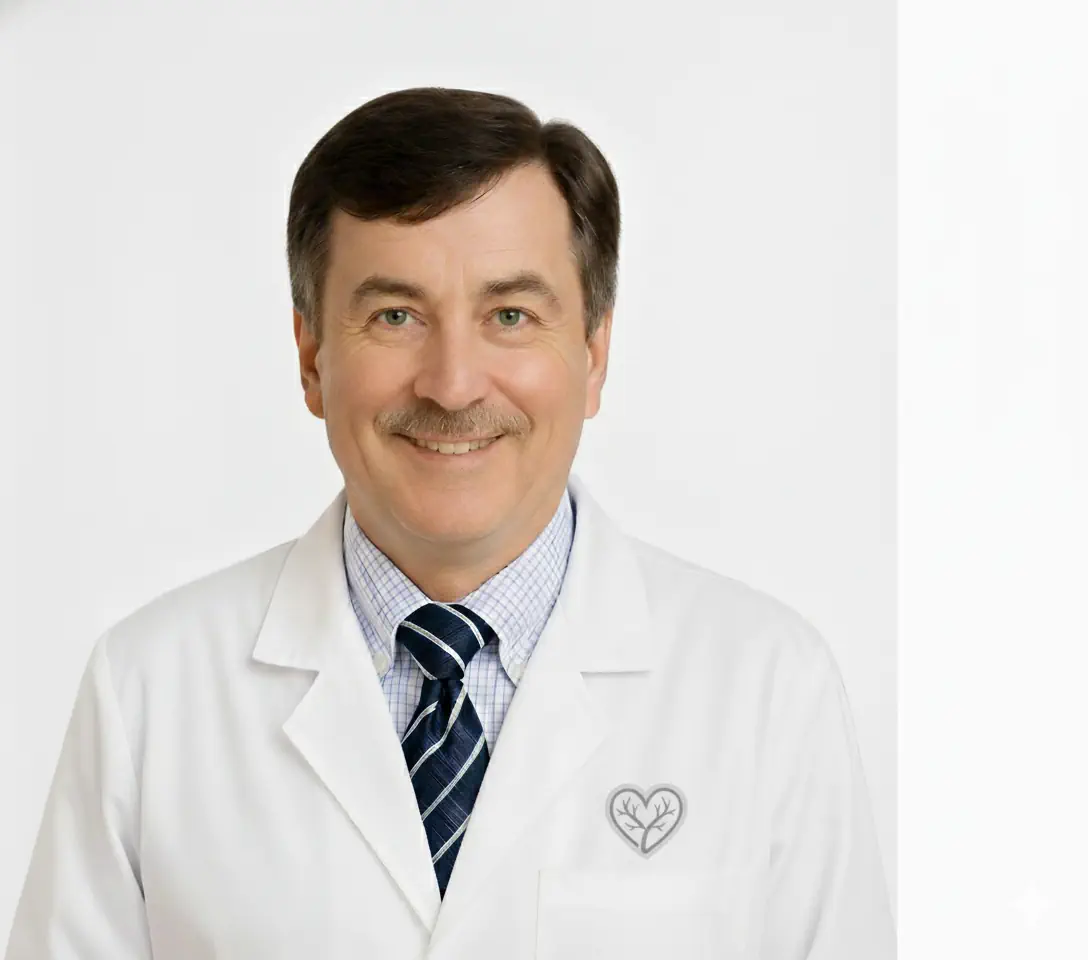
Medically reviewed by Dr. Z. Hadaya, MD
Vein Treatment Centers of NJ
You wouldn't let an unlicensed contractor remodel your home. You wouldn't trust your taxes to someone without accounting credentials. So why would you trust your vein health to a doctor without specialized training and board certification in venous disease?
Yet every day, patients in New Jersey unknowingly receive vein treatment from providers who lack the specialized expertise needed for optimal outcomes. If you are currently evaluating providers, our guide on how to choose the best vein specialist in NJ covers exactly what questions to ask. At Vein Treatment Center of NJ, Dr. Hadaya—a board-certified vein specialist—believes patients deserve to understand exactly why credentials matter when choosing a provider for varicose vein treatment.
The Credential Gap in Vein Treatment
Here's an uncomfortable truth: In many states, including New Jersey, any licensed physician can legally perform vein procedures—regardless of their training, experience, or board certification. This means your family doctor, dermatologist, or even a physician who primarily does Botox injections could theoretically offer vein treatments.
While some of these doctors may have sought additional training, many have not. This creates a dangerous credential gap that puts patients at risk. Understanding how insurance covers varicose vein treatment is another area where a credentialed specialist makes a significant difference — they know how to document medical necessity correctly.
What Is Board Certification and Why Does It Matter?
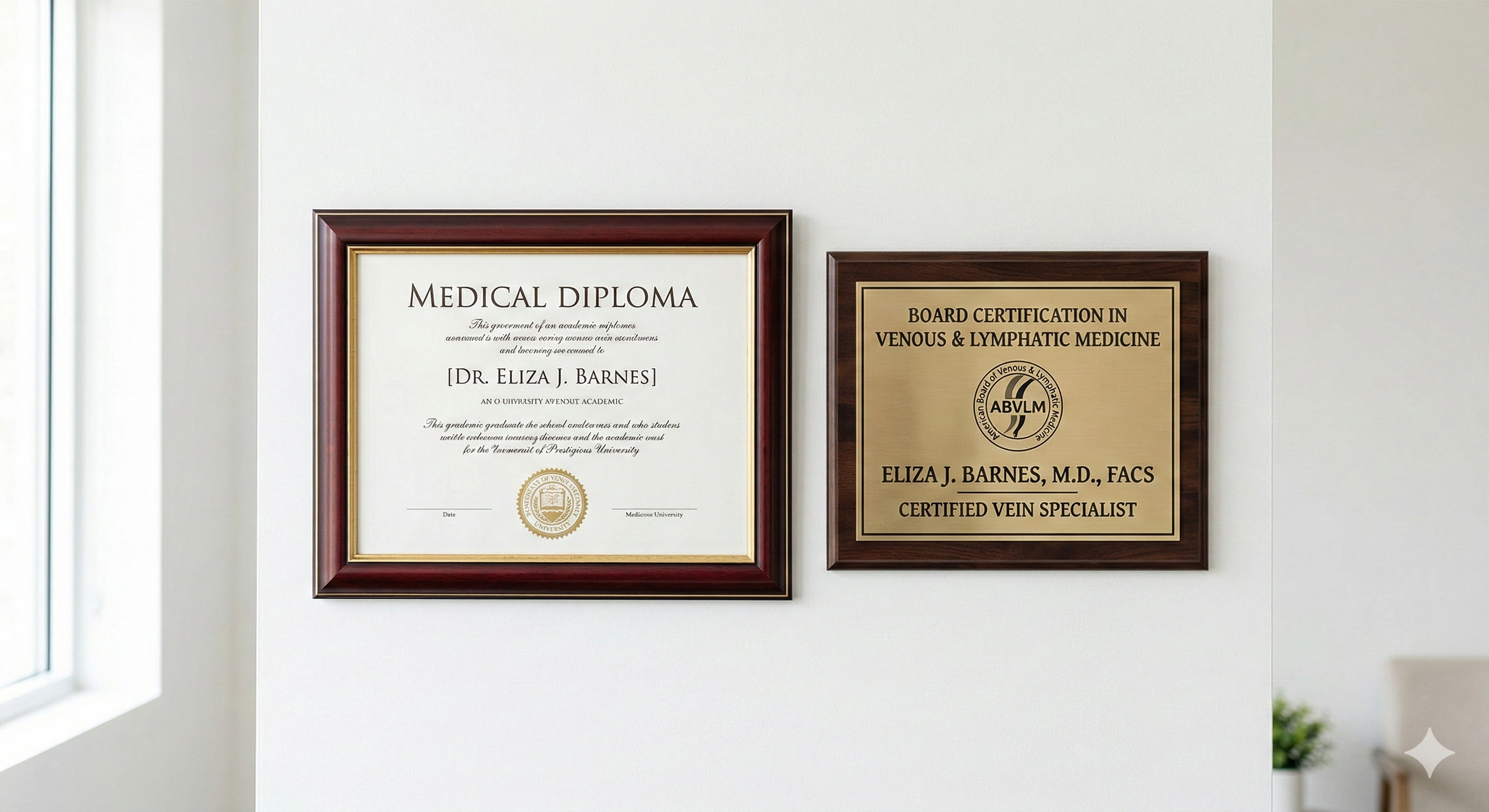
Board certification is the gold standard for medical expertise — just as RFA and EVLT are the gold standard procedures that a qualified specialist should offer. It represents:
1. Completion of Rigorous Training
- Medical school (4 years)
- Residency in a relevant specialty (3-7 years)
- Often fellowship training in a subspecialty (1-3 additional years)
- Thousands of supervised patient encounters
- Comprehensive clinical experience
2. Passage of Comprehensive Examinations
- Written exams covering extensive medical knowledge
- Oral examinations demonstrating clinical reasoning
- Regular recertification to maintain expertise
- Continuing medical education requirements
3. Ongoing Professional Standards
- Adherence to ethical guidelines
- Peer review of clinical outcomes
- Commitment to evidence-based medicine
- Maintenance of certification through continuing education
Dr. Hadaya's board certification means he has met all these rigorous requirements and maintains the highest standards of vein care.
Board Certifications Relevant to Vein Treatment
Not all board certifications are equal when it comes to vein treatment. Here's what to look for:
Top-Tier Certifications for Vein Specialists:
- American Board of Venous & Lymphatic Medicine (ABVLM) – The most specialized certification for vein treatment
- American Board of Venous & Lymphatic Medicine – Focuses on vascular disease including veins
- American Board of Phlebology – Specialized in venous disorders
Relevant Related Certifications:
- American Board of Surgery (with vein specialist training)
- American Board of Internal Medicine (with cardiovascular disease subspecialty)
- American Board of Radiology (with interventional radiology subspecialty)
Less Relevant Certifications:
Some physicians offer vein treatments despite board certification in unrelated specialties:
- Dermatology (focuses on skin, not venous disease)
- Family medicine (general practice, not specialized)
- Cosmetic surgery (aesthetic focus, not medical vein disease)
- Emergency medicine (acute care, not chronic vein conditions)
While these physicians may be excellent in their primary specialty, they lack the specialized training needed for comprehensive vein care.
The Dangers of Non-Specialized Vein Treatment
What happens when patients receive vein treatment from non-specialists? Research and clinical experience reveal concerning patterns:
1. Missed Diagnoses
Visible varicose veins are often symptoms of underlying venous insufficiency. Non-specialists frequently:
- Treat surface veins without identifying root causes
- Miss significant venous reflux on ultrasound (if ultrasound is even performed)
- Fail to recognize when vein symptoms indicate systemic vascular disease
- Overlook deep vein thrombosis (DVT) risk factors
Result: Temporary cosmetic improvement but persistent symptoms and vein recurrence.
2. Inappropriate Treatment Selection
Different vein conditions require different treatments. Non-specialists often:
- Use one-size-fits-all approaches
- Recommend procedures they're comfortable with rather than what's optimal
- Apply outdated treatment protocols
- Perform unnecessary procedures
Result: Suboptimal outcomes and wasted time/money.
3. Higher Complication Rates
Complex vein procedures require specific technical skills. Studies show non-specialists have:
- Lower vein closure success rates
- Higher rates of nerve damage
- More skin burns from improper laser/RF use
- Increased risk of DVT from inadequate technique
- Poor aesthetic outcomes (visible scarring, skin discoloration)
4. Inadequate Ultrasound Evaluation
Proper vein treatment requires expert ultrasound skills. Non-specialists may:
- Skip ultrasound entirely (treating based only on visual inspection)
- Perform cursory ultrasounds missing critical findings
- Rely on technicians without physician interpretation
- Lack training to recognize complex venous anatomy
Dr. Hadaya personally performs and interprets comprehensive ultrasound evaluations for every patient, ensuring accurate diagnosis and treatment planning.
5. Limited Complication Management
When complications occur (they're rare but possible), non-specialists often:
- Don't recognize problems early
- Lack expertise to manage complications
- Refer patients elsewhere for problem resolution
- Don't have emergency protocols in place
Board-certified specialists like Dr. Hadaya have the training and experience to prevent, recognize, and manage complications effectively.
Real-World Example: The Weekend Course Problem
A concerning trend has emerged: weekend certification courses that claim to train physicians in vein treatments in just 2-3 days. Doctors with no prior vein experience attend Friday-Sunday courses, then return home to offer vein procedures Monday morning.
Compare this to Dr. Hadaya's training:
- Years of residency and fellowship training
- Thousands of supervised procedures
- Comprehensive education in venous anatomy, pathophysiology, and treatment
- Board certification examination requiring extensive knowledge
- Ongoing continuing education
Would you trust your care to someone with a weekend certificate or years of specialized training?
How to Verify Board Certification
Don't just take a provider's word for it. Verify credentials yourself:
Step 1: Ask Directly
"Are you board-certified? By which board?" If they hesitate or provide vague answers, be cautious.
Step 2: Verify Online
Check certification status through official boards:
- American Board of Medical Specialties (ABMS) – www.certificationmatters.org
- American Board of Venous & Lymphatic Medicine – www.abvlm.org
- Individual specialty boards maintain physician directories
Step 3: Check State Medical Licenses
Visit your state's medical board website to verify:
- Active medical license
- No disciplinary actions
- Board certification status
- Malpractice history
Questions to Ask About Credentials
During your vein consultation, ask these specific questions:
- "What is your board certification, and when were you last recertified?"
- "How many years of training specific to vein treatment did you complete?"
- "Did you complete a fellowship in venous medicine or related specialty?"
- "How many vein procedures have you personally performed?"
- "What percentage of your practice focuses on vein treatment?"
- "Are you trained and certified in all the procedures you offer?"
- "Do you personally perform and interpret ultrasound evaluations?"
- "What is your vein closure success rate?"
- "What is your complication rate, and how do you handle complications?"
Board-certified specialists like Dr. Hadaya welcome these questions and provide transparent, detailed answers.
When Experience Trumps Credentials Alone
While board certification is essential, it's not the only factor. The ideal vein specialist combines:
- ✅ Board certification in a relevant specialty
- ✅ Specialized training in venous disease
- ✅ Extensive experience – thousands of procedures performed
- ✅ Focused practice – vein treatment as primary or exclusive focus
- ✅ Modern technology – investment in latest equipment and techniques
- ✅ Ongoing education – staying current with advances
- ✅ Good outcomes – documented success rates and patient satisfaction
Dr. Hadaya exemplifies this combination, offering board-certified expertise backed by years of experience and thousands of successful outcomes.
The Insurance Connection
Insurance companies recognize the importance of provider credentials. Many require:
- Board certification for credentialing
- Demonstration of specialized training
- Minimum procedure volumes
- Documentation of outcomes
If a provider doesn't accept insurance or isn't credentialed with major insurers, ask why. It may indicate they don't meet insurance companies' credential requirements.
Vein Treatment Center of NJ is credentialed with all major insurance carriers, reflecting our commitment to professional standards.
Red Flags: When to Walk Away
Be cautious if a vein provider:
- ❌ Can't clearly state their board certification
- ❌ Is board-certified in an unrelated specialty (dermatology, family medicine, etc.)
- ❌ Completed only weekend training courses
- ❌ Offers vein treatment as a "side service" to their main practice
- ❌ Doesn't personally perform ultrasound evaluations
- ❌ Became evasive when asked about credentials
- ❌ Has very limited vein treatment experience
- ❌ Isn't credentialed with insurance companies
The Bottom Line: Your Health Deserves Specialized Expertise
Varicose veins aren't just a cosmetic concern—they're a medical condition requiring proper diagnosis and treatment. The venous system is complex, and treatment complications can be serious.
You deserve care from a board-certified vein specialist with:
- Formal training in venous disease
- Years of focused experience
- Proven track record of successful outcomes
- Commitment to professional standards
- Comprehensive diagnostic capabilities
- Full range of modern treatment options
Experience the Dr. Hadaya Difference
When you choose Dr. Hadaya at Vein Treatment Center of NJ, you receive:
- ✅ Board-certified vein specialist expertise
- ✅ Thousands of successful procedures performed
- ✅ Comprehensive, physician-performed ultrasound evaluations
- ✅ Personalized treatment plans based on your unique anatomy
- ✅ Full range of modern treatments – RFA, EVLT, VenaSeal™, sclerotherapy, and more
- ✅ State-of-the-art technology and techniques
- ✅ Transparent communication about credentials, experience, and outcomes
- ✅ Compassionate care focused on your comfort and results
- ✅ Convenient locations serving all of New Jersey
Don't Settle for Less Than Specialized Expertise
Your vein health is too important to trust to anything less than a board-certified specialist. Don't let convenience or cost alone guide your decision—credentials and expertise matter enormously for your safety, outcomes, and long-term results.
Ready to experience board-certified vein care? Contact Vein Treatment Center of NJ today to schedule your consultation with Dr. Hadaya. Discover the difference specialized expertise makes in your varicose vein treatment journey. Serving patients throughout New Jersey, including Clifton, Paramus, Princeton, and surrounding areas. Call 609-585-4666 or book online—your legs deserve the best!
Ready to Address Your Vein Concerns?
Schedule a consultation with Dr. Hadaya to discuss your condition and explore treatment options.