
Deep Vein Thrombosis (DVT) Pain: Is Your Leg Pain a Medical Emergency?
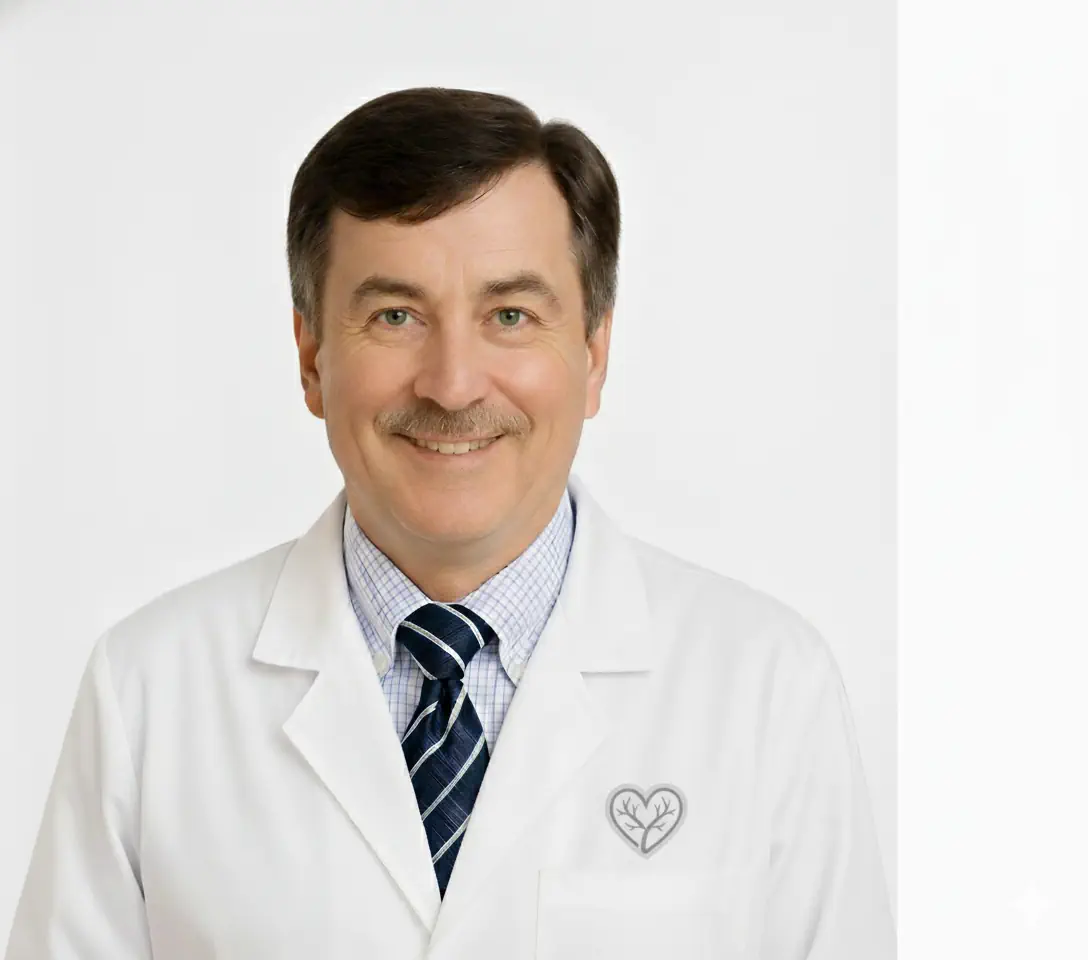
Medically reviewed by Dr. Z. Hadaya, MD
Vein Treatment Centers of NJ

One of the most urgent questions we answer at Vein Treatment Centers of NJ is: "Is this leg pain a muscle cramp, or is it a blood clot?" The distinction matters enormously. Deep Vein Thrombosis (DVT) is a potentially life-threatening condition where a clot forms inside the deep veins of your leg. If that clot detaches and travels to the lungs, it causes a Pulmonary Embolism (PE)—a medical emergency with a significant mortality rate.
This guide will help you understand the warning signs of DVT, how it differs from ordinary leg pain, and what immediate steps you should take.
What Is Deep Vein Thrombosis?
DVT occurs when a blood clot (thrombus) forms in one of the large, deep veins—most commonly in the calf, thigh, or pelvis. Unlike the superficial veins you can see on the surface of your skin, deep veins run through the core of your muscles and carry the majority of venous blood back to your heart.
When a clot forms here, it can:
- Completely or partially block blood flow back to the heart
- Cause the leg to swell, redden, and become intensely painful
- Break loose and travel to the lungs as a life-threatening pulmonary embolism
- Lead to chronic "post-thrombotic syndrome," causing long-term swelling and pain
Approximately 900,000 Americans are affected by DVT annually. It is not rare, and it is not something to wait out.
Intermittent vs. Constant Pain: How to Tell the Difference
Not all leg pain is DVT. The character of the pain provides critical diagnostic clues.
Intermittent Pain — Often Venous or Muscular
Pain that comes and goes, especially pain that improves when you elevate your leg or sit down, is usually associated with varicose veins and venous insufficiency or muscle strain. Characteristics include:
- Dull, achy sensation that worsens as the day progresses
- Heaviness or fatigue in the legs after prolonged standing
- Cramping that resolves with rest or elevation
- Itching or burning around visible varicose veins
Constant Pain — The DVT Warning Sign
DVT pain is typically persistent and does not improve with rest or elevation. It often feels like a severe "charlie horse" cramp that simply won't release. The hallmark signs of DVT include:
- Unrelenting pain in the calf, thigh, or behind the knee
- Swelling confined to one leg — bilateral swelling is less likely to be DVT
- Localized warmth — the affected limb feels warmer than the other
- Redness or discoloration — a red or bluish tinge to the skin over the clot
- Visible surface veins — superficial veins may appear more prominent as the body compensates
If you experience these symptoms together, treat it as an emergency. Call 911 or go directly to an emergency room, then follow up with a vein specialist for comprehensive management.
DVT Risk Factors: Are You at Higher Risk?
Understanding your personal risk profile is the first step in prevention. At Vein Treatment Centers of NJ, we perform a complete risk assessment that includes:
Medical and Situational Risk Factors
- Recent surgery — particularly hip, knee, or abdominal procedures slow circulation significantly
- Long-distance travel — sitting immobile for 4+ hours on flights or in cars
- Hospitalization or immobility — bed rest reduces the calf muscle pump that moves blood upward
- Previous DVT or PE — having one episode significantly increases risk of recurrence
- Pregnancy and postpartum period — hormonal changes and uterine pressure on pelvic veins
Lifestyle and Physiological Risk Factors
- Hormonal medications — oral contraceptives and hormone replacement therapy raise clotting risk
- Obesity — excess weight increases pressure on leg veins
- Smoking — damages vein walls and promotes clot formation
- Sedentary lifestyle — desk jobs and inactivity impair venous return
- Cancer or cancer treatment — malignancies and chemotherapy both increase clotting tendency
It is also important to understand the distinction between peripheral vascular disease and venous conditions — both can cause serious leg complications, but they require completely different treatments.
The Pulmonary Embolism Threat
A DVT becomes life-threatening when a fragment of the clot breaks off and travels through the venous system into the lungs. This is called a Pulmonary Embolism (PE). Warning signs include:
- Sudden shortness of breath that is unexplained
- Sharp chest pain that worsens when you take a deep breath
- Rapid heart rate or palpitations
- Coughing up blood
- Lightheadedness or fainting
PE is a true 911 emergency. Do not drive yourself to the hospital. Call for emergency services immediately.
How Vein Treatment Centers of NJ Diagnoses and Treats DVT
Step 1: Emergency Venous Doppler Ultrasound
Our first diagnostic tool is a duplex venous ultrasound. This non-invasive imaging study uses sound waves to visualize blood flow in real time. We can directly see a clot obstructing a vessel, assess its size and location, and determine whether it poses an immediate risk of embolism. No radiation, no contrast dye — just precise imaging.
Step 2: Anticoagulation Therapy
If a clot is confirmed, the immediate goal is to prevent it from growing and stop new clots from forming. Anticoagulant medications ("blood thinners") — such as heparin, warfarin, or the newer direct oral anticoagulants (DOACs) — are prescribed based on the clot's severity and your overall health profile. In severe cases, clot-dissolving drugs (thrombolytics) may be used.
Step 3: Compression and Activity Management
Medical-grade compression stockings are prescribed to reduce swelling and lower the risk of developing post-thrombotic syndrome (PTS) — a chronic condition causing persistent leg swelling, pain, and skin changes months to years after a DVT.
Step 4: Long-Term Vein Health Management
Following acute treatment, many DVT patients are left with damaged vein valves that cause ongoing venous insufficiency. Our team monitors your vein health and treats any resulting chronic venous insufficiency with minimally invasive procedures when appropriate.
Preventing DVT: What You Can Do Today
- Move regularly — stand up and walk for 5 minutes every hour if you have a desk job
- Stay hydrated — dehydration thickens the blood, increasing clot risk
- Wear compression stockings during long flights and car trips
- Exercise your calf muscles — ankle circles and calf raises activate the venous pump
- Know your medications — discuss DVT risk with your doctor if you take hormonal contraceptives
- Achieve or maintain healthy weight — reduces venous pressure in legs
When to Call Vein Treatment Centers of NJ
You should call us at 609-585-4666 immediately if you notice:
- Sudden, unexplained swelling in one leg
- Persistent calf or thigh pain that doesn't improve with rest
- Skin warmth and redness over a painful area
- A history of DVT and new leg symptoms
- Leg pain following recent surgery or prolonged immobility
Do not wait and see. DVT caught early can be treated safely and effectively. DVT caught after a pulmonary embolism becomes a fight for your life. Our Hamilton, NJ vein center is equipped to perform same-day emergency ultrasound evaluations. Call us at 609-585-4666 now.
For informational purposes only. Not medical advice. If you suspect a pulmonary embolism, call 911 immediately.
Ready to Address Your Vein Concerns?
Schedule a consultation with Dr. Hadaya to discuss your condition and explore treatment options.