
Why is My Left Leg Swelling? Understanding Unilateral Edema
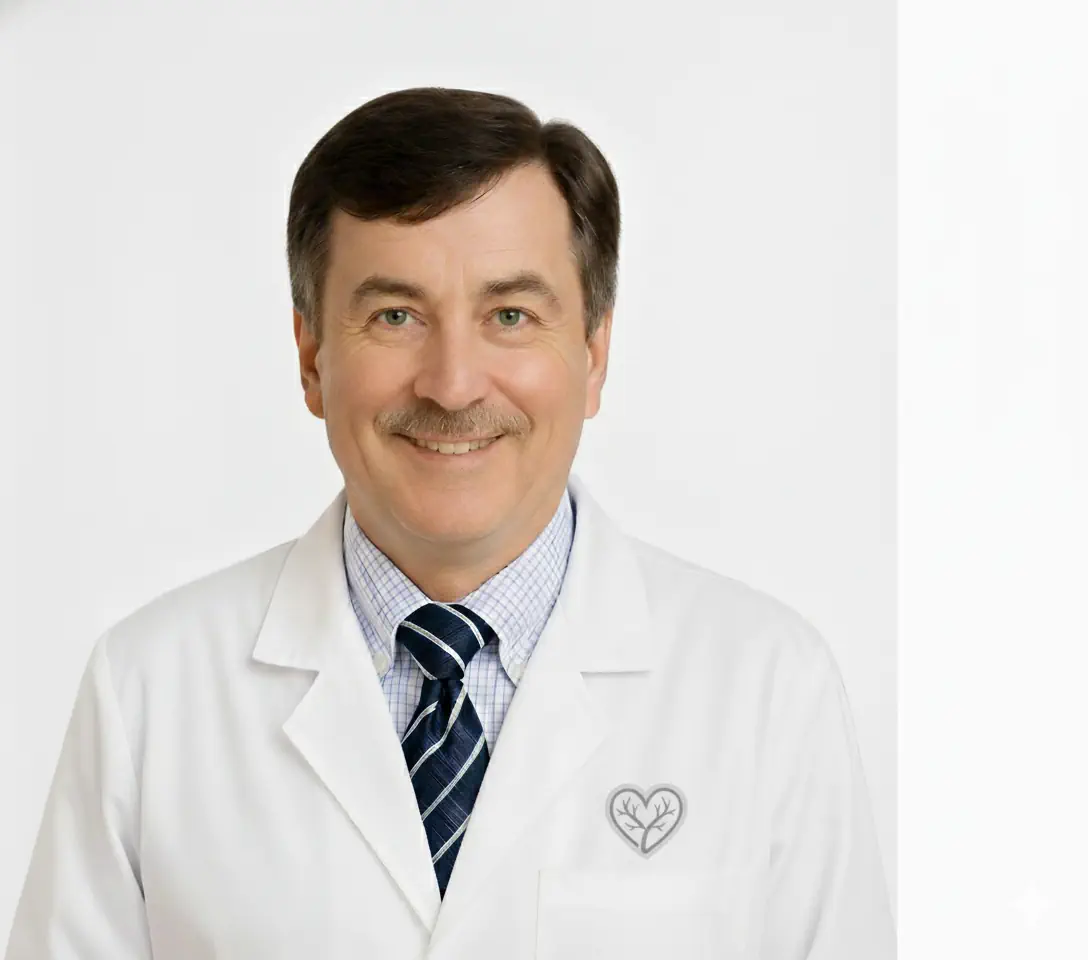
Medically reviewed by Dr. Z. Hadaya, MD
Vein Treatment Centers of NJ

If your left leg is swollen but your right leg is not, your body is telling you something specific and important. Unilateral (one-sided) leg swelling is almost always caused by a localized problem in that leg — not a systemic condition like heart failure or kidney disease, which typically affect both legs equally.
At Vein Treatment Centers of NJ, we diagnose and treat the vascular causes of one-sided leg swelling every day. This guide walks you through the most common causes, the red flags that demand emergency attention, and the treatments that provide lasting relief.
Why One-Sided Swelling Is Clinically Significant
When both legs swell simultaneously, physicians first consider systemic causes: congestive heart failure, chronic kidney disease, liver disease, low albumin, or medication side effects. These conditions affect the entire body's fluid balance.
But when only the left leg swells, the diagnostic focus narrows sharply to that limb. Something is specifically impairing blood or lymph flow in the left leg — and several serious conditions preferentially affect the left side due to anatomy.
The Most Common Causes of Left Leg Swelling
1. Venous Insufficiency and Varicose Veins
Chronic venous insufficiency (CVI) is one of the most common causes of leg swelling in adults. When the one-way valves inside your leg veins weaken or fail, blood pools in the lower leg instead of returning efficiently to the heart. If the valve damage is more extensive in the left leg than the right, swelling will be predominantly one-sided.
Signs that venous insufficiency is the cause:
- Swelling that worsens throughout the day and improves overnight with leg elevation
- Heavy, aching, or fatigued legs by afternoon or evening
- Visible varicose or reticular veins on the affected leg
- Skin discoloration (brown or reddish patches) around the ankles
- Itching or a feeling of tightness in the lower leg
2. Deep Vein Thrombosis (DVT) — A Medical Emergency
A deep vein thrombosis (DVT) occurs when a blood clot forms in one of the large deep veins, most commonly in the calf or thigh. The clot obstructs venous return, causing rapid swelling, pain, warmth, and redness — almost always in just one leg.
DVT is a medical emergency. A fragment of the clot can break off and travel to the lungs, causing a pulmonary embolism — a potentially fatal event. Seek emergency care immediately if your leg swelling is:
- Sudden in onset (developed over hours rather than days)
- Associated with significant pain, warmth, and redness
- Following a period of immobility (long flight, surgery, bed rest)
- Occurring during or after pregnancy
3. May-Thurner Syndrome
May-Thurner Syndrome (MTS) is an anatomical condition that specifically explains why the left leg is more commonly affected by DVT and chronic swelling than the right. In MTS, the right iliac artery crosses over and compresses the left iliac vein against the lumbar spine. This constant mechanical compression:
- Reduces blood flow returning from the left leg
- Creates turbulence that damages the vein wall and promotes clot formation
- Leads to chronic left leg swelling, heaviness, and varicose veins
- Significantly raises the risk of DVT in younger, otherwise healthy patients
May-Thurner Syndrome is frequently underdiagnosed. If you are a woman under 50 with chronic unexplained left leg swelling, this condition must be ruled out with advanced vascular imaging.
4. Lymphedema
Lymphedema occurs when the lymphatic drainage system in the leg is damaged or blocked, causing protein-rich fluid to accumulate in the tissues. It can develop after:
- Cancer surgery (particularly pelvic or groin lymph node removal)
- Radiation therapy to the pelvis or groin
- Infection or trauma that damages lymphatic vessels
- Primary lymphatic malformation (rare)
Unlike venous swelling, lymphedema tends to not improve significantly with overnight elevation and has a characteristic "non-pitting" quality — pressing your finger into the swollen tissue does not leave a lasting indentation (at least in early stages).
5. Baker's Cyst Rupture
A Baker's cyst is a fluid-filled sac behind the knee that develops when joint fluid accumulates, often from arthritis or a meniscus tear. When the cyst ruptures, the fluid tracks down into the calf, mimicking the swelling and calf pain of a DVT. Ultrasound is essential to distinguish between the two.
6. Superficial Thrombophlebitis
When a varicose vein becomes inflamed and clotted, the result is a warm, red, tender cord running along the vein. This condition — called superficial thrombophlebitis — causes localized swelling and can extend, in serious cases, to involve the deep venous system.
The Diagnostic Process at Vein Treatment Centers of NJ
When you present with left leg swelling, our evaluation follows a systematic protocol:
Venous Duplex Ultrasound
This is our first and most critical diagnostic tool. Using high-frequency sound waves, we visualize the deep and superficial veins in real time, assessing:
- Blood flow direction and velocity in each vessel segment
- Presence of clots in the deep or superficial veins
- Valve function (venous reflux duration)
- Diameter of the great saphenous vein and other major tributaries
Ankle-Brachial Index (ABI)
Before recommending compression therapy, we measure arterial blood pressure at the ankle and arm to rule out significant peripheral artery disease. Compression stockings are contraindicated in patients with poor arterial flow.
Treatment Options for Left Leg Swelling
Treatment depends entirely on the underlying cause identified during evaluation:
- Venous insufficiency: Radiofrequency Ablation or Endovenous Laser Treatment to close the failing saphenous vein, combined with compression therapy
- DVT: Anticoagulation (blood thinners) as the immediate treatment; long-term vein monitoring
- May-Thurner Syndrome: Venoplasty (balloon dilation) with stenting of the compressed iliac vein
- Superficial thrombophlebitis: Anti-inflammatory medications, compression, and treatment of the underlying varicose vein
- Lymphedema: Complete decongestive therapy (CDT), manual lymphatic drainage, and compression garments
When to Seek Immediate Care vs. Schedule an Appointment
Go to the emergency room immediately if your swelling is:
- Sudden and severe, developed over hours
- Accompanied by chest pain or shortness of breath
- Associated with intense pain, skin warmth, and redness
- Following recent surgery, hospitalization, or long-distance travel
Schedule an appointment with us at 609-585-4666 if your swelling is:
- Chronic and worsening over weeks or months
- Associated with varicose veins or skin changes
- Accompanied by leg heaviness, aching, or nighttime cramping
- Not improving with elevation and rest
Left leg swelling is your body's signal that something needs attention. At Vein Treatment Centers of NJ, we combine advanced diagnostic imaging with minimally invasive treatments to identify the exact cause and provide lasting relief. Call us at 609-585-4666 today to schedule your comprehensive vascular evaluation.
For informational purposes only. Not medical advice.
Ready to Address Your Vein Concerns?
Schedule a consultation with Dr. Hadaya to discuss your condition and explore treatment options.