
Who Operates Leading Vein Clinics for Advanced Vein Care?
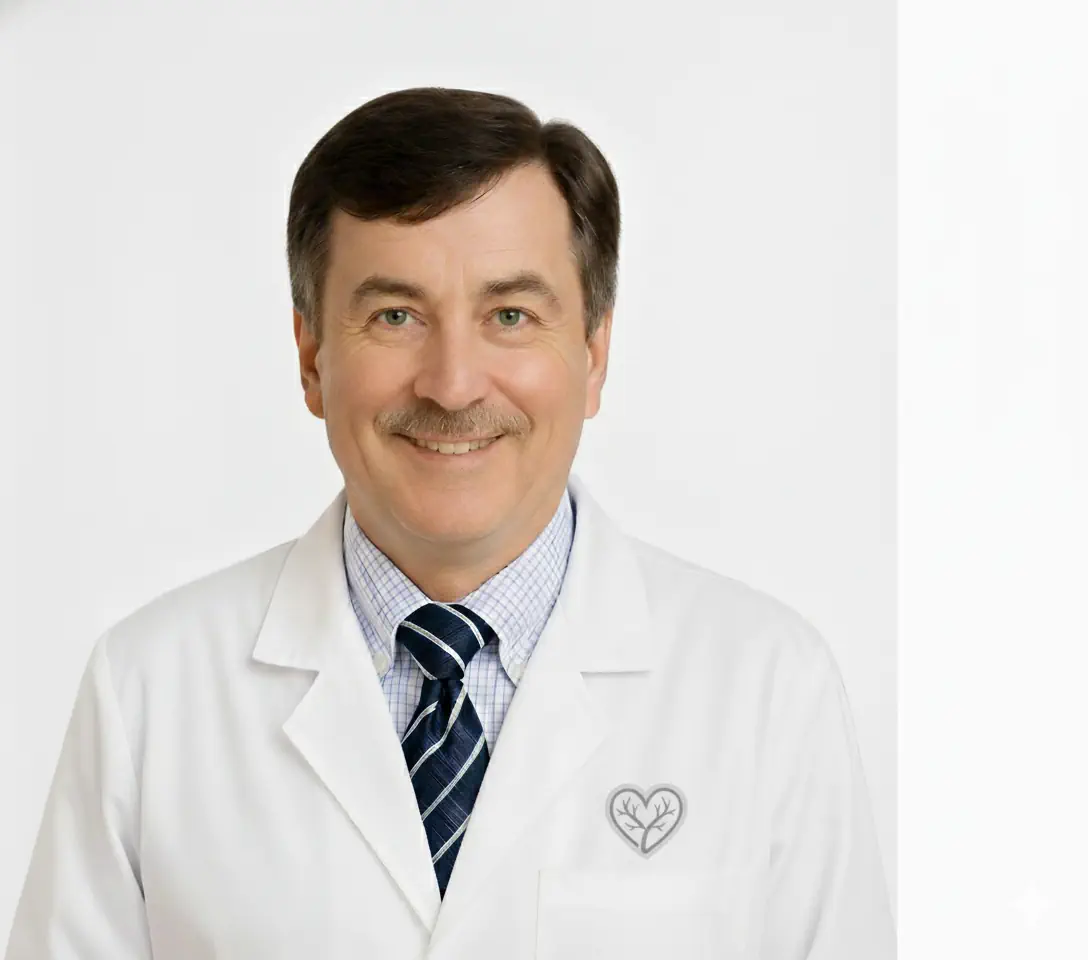
Medically reviewed by Dr. Z. Hadaya, MD
Vein Treatment Centers of NJ

Who operates leading vein clinics for advanced vein care? Leading vein clinics are operated by board-certified physicians specializing in venous and lymphatic medicine, vascular surgery, or interventional radiology. Rather than treating vein disorders as a side service, these dedicated clinicians combine vascular ultrasound mapping with minimally invasive therapies to correct underlying circulatory disease. Knowing who operates leading vein clinics for advanced vein care helps patients identify physician-led medical practices and avoid cosmetic spas or corporate chains that lack diagnostic depth.
Vein care has shifted away from hospital-based surgical stripping toward targeted, in-office endovenous procedures. However, the quality of your clinical outcome depends heavily on the medical background, diagnostic skill, and operational structure of the clinic you choose.
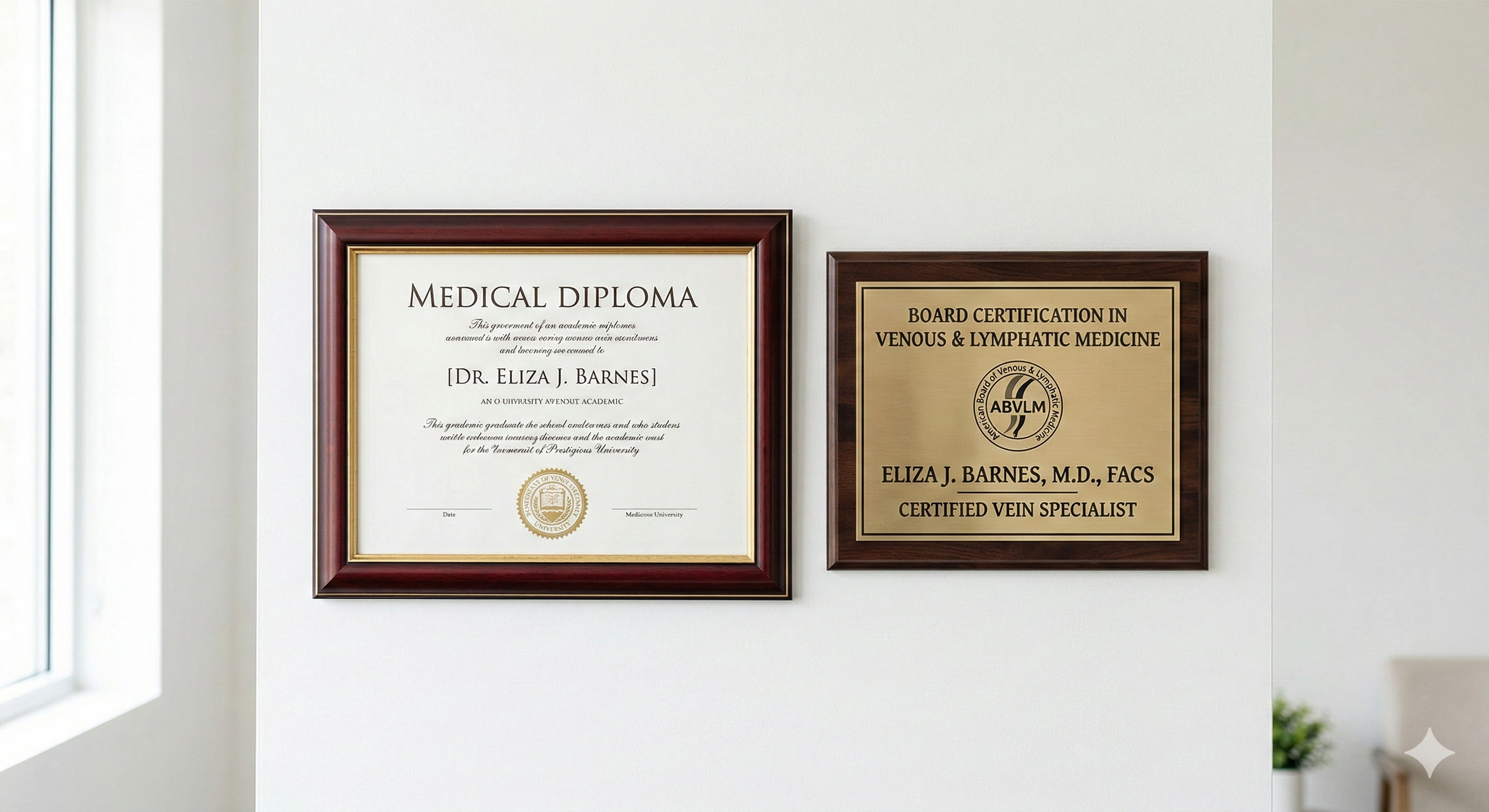
What Types of Specialists Operate Advanced Vein Clinics?
Leading vein clinics are directed by medical doctors who have completed rigorous training in circulatory disorders. Because vein disease originates deep within the venous system—often hidden beneath the surface of the skin—effective treatment requires an advanced understanding of hemodynamics and vascular anatomy.
[Superficial System] [Deep System] Great & Small Saphenous Femoral & Popliteal \ / \--- [Perforator Veins] -----/ | One-way valves prevent backflow; faulty valves cause venous refluxIn an advanced clinic, treatment begins with identifying faulty valves in the truncal veins, primarily the great saphenous vein (GSV) or small saphenous vein (SSV). When one-way valves inside these vessels weaken, gravity pulls blood downward, creating venous hypertension and pooling. A qualified specialist does not merely treat visible surface veins; they map the entire superficial and deep venous architecture to pinpoint the exact source of venous reflux.
Board-Certified Vein Specialists vs. General Medical Providers
The credentialing of the clinic director directly reflects their focus on venous disease. Top centers are operated by physicians certified by recognized medical boards, such as:
- The American Board of Venous & Lymphatic Medicine (ABVLM)
- The American Board of Surgery (Vascular Surgery)
- The American Board of Radiology (Vascular and Interventional Radiology)
General medical providers, primary care doctors, and aesthetic practitioners frequently offer surface treatments like cosmetic sclerotherapy or surface laser sessions. However, treating spider veins or bulging vessels without evaluating the saphenous junctions often leads to rapid symptom recurrence. Dedicated board certified vein specialists possess the specialized training required to interpret complex hemodynamics, manage anatomical variants, and treat deep-seated vascular pathology safely.
The Role of Registered Vascular Technologists in Diagnostic Mapping
Accurate treatment plans require high-resolution duplex ultrasound evaluations. At advanced vein centers, vascular mapping is performed either directly by the treating physician or by a Registered Vascular Technologist (RVT) credentialed by the American Registry for Diagnostic Medical Sonography (ARDMS).
A comprehensive duplex ultrasound exam evaluates:
- Reflux Duration: Measuring retrograde blood flow in seconds to confirm valve incompetence across the saphenofemoral and saphenopopliteal junctions.
- Vein Diameter and Depth: Documenting luminal diameter in millimeters to determine which endovenous ablation device or sclerosant concentration is clinically appropriate.
- Deep Venous Patency: Ruling out deep vein thrombosis (DVT), chronic venous occlusion, or structural anomalies before any superficial veins are sealed.
Without a dedicated vascular technologist or physician-sonographer performing this mapping, underlying reflux pathways can be missed, resulting in incomplete care.
Independent Doctor-Led Practices vs. Corporate Vein Chains
When researching who operates leading vein clinics for advanced vein care, the ownership and operational structure of the practice make a measurable difference in your care. Vein clinics generally fall into two categories: independent physician-owned practices and corporate consolidator chains.
| Clinical Feature | Independent Physician-Led Practice | Corporate Vein Chain |
|---|---|---|
| Provider Continuity | Same doctor performs consult, procedure, and follow-up | Frequent rotation of mid-level providers and temporary staff |
| Diagnostic Focus | Comprehensive duplex mapping tailored to clinical symptoms | Standardized imaging protocols driven by corporate quotas |
| Treatment Customization | Multi-modality plans adjusted to patient anatomy | Rigid procedural tracks focused on maximum procedure volume |
| Physician Accountability | Direct relationship with the practicing medical director | Care governed by regional corporate managers and metrics |
Continuity of Care: Why Seeing the Same Physician Matters
Venous disease is a chronic, progressive condition that requires ongoing monitoring. In an independent, doctor-led practice, the physician who conducts your initial consultation and reviews your ultrasound is the same physician who performs your endovenous ablation and oversees your post-procedure recovery.
In corporate chain environments, high staff turnover and rotating provider schedules often mean a patient meets one clinician for an initial exam, another for the thermal ablation, and an unfamiliar technician for post-treatment checks. This fragmented model increases the likelihood that subtle post-procedure changes—such as minor residual reflux or trapped blood in a tributary branch—go unaddressed. Consistent physician oversight ensures immediate adjustments to your care plan whenever necessary.
Treatment Philosophy: Tailored Care Plans vs. Standardized Corporate Protocols
Corporate equity-owned clinics often rely on rigid, pre-set procedural bundles designed around billing efficiency rather than individualized anatomy. Patients may be pushed into repetitive, multi-session thermal treatments across every identified branch, even when less invasive options would suffice.
Independent specialists maintain the autonomy to select the precise modality that fits the patient's anatomical presentation. A complex case might require a single radiofrequency ablation of the main truncal vein, paired with targeted microphlebectomy for tortuous surface clusters and ultrasound-guided sclerotherapy for deeper branch tributaries. This tailored approach achieves faster symptom relief while minimizing unnecessary visits.
What Advanced Treatments Do Leading Vein Clinics Provide?
Advanced vein clinics focus on modern, image-guided interventions performed in an office setting under local tumescent anesthesia. These techniques eliminate the need for general anesthesia, hospital admissions, or prolonged recovery periods associated with traditional vein stripping.
[Endovenous Ablation] [Microphlebectomy] Catheter delivers thermal heat Micro-incisions (1-2mm) remove to seal the truncal vein shut large, bulging surface tributaries | | +-----------------+-------------------+ | [Ultrasound-Guided Sclerotherapy] Chemical foam collapses deeper, tortuous feeder branchesRadiofrequency and Endovenous Laser Ablation
Endovenous thermal ablation represents the standard of care for truncal saphenous insufficiency. Under ultrasound guidance, the vein specialist inserts a thin catheter into the diseased vein through a tiny needle puncture.
- Tumescent Anesthesia: A dilute solution of local anesthetic is injected around the vein to collapse the vessel walls onto the catheter, buffer adjacent nerves from heat, and numb the area.
- Thermal Energy Delivery: The catheter delivers controlled radiofrequency energy or laser heat to the vein wall, causing the collagen matrix to contract and close the lumen.
- Blood Flow Rerouting: Once sealed, the body naturally reroutes circulation through healthy, deeper veins. Over the following months, the closed vein is absorbed by surrounding tissue.
Ultrasound-Guided Sclerotherapy and Microphlebectomy
Thermal catheters work best on straight truncal veins. For tortuous, branching, or visible surface veins, advanced clinics deploy targeted secondary therapies:
- Ultrasound-Guided Foam Sclerotherapy: The specialist injects a specialized sclerosant solution agitated with gas into deeper feeder veins that cannot be accessed safely with a thermal catheter. The foam displaces blood, contacts the entire inner lining, and seals the diseased branch.
- Ambulatory Microphlebectomy: For large, twisted varicose veins that bulge along the skin, the doctor makes tiny micro-incisions (measuring one to two millimeters) and gently removes the abnormal segments under local anesthesia. No stitches are required, and the micro-incisions heal with minimal to no scarring.
For non-thermal options, specialized clinics may also utilize medical adhesives to seal saphenous veins without the need for multiple tumescent numbing injections.
How to Vet Who Operates a Vein Center Before Scheduling
Before booking an appointment, verify the qualifications of the medical director and the operational standards of the facility. A short phone call with the intake team or a review of public medical licensing databases can confirm whether a clinic meets established standards for advanced vein care.
Key Questions to Ask About Provider Credentials
Ask the clinic coordinator the following screening questions:
- Is the primary doctor board-certified in a vascular discipline? Look for certifications from the ABVLM, the American Board of Surgery, or vascular subspecialties.
- Does the clinic focus exclusively on venous disease? Verify whether venous medicine is the primary clinical practice or merely an adjunct to unrelated aesthetic services.
- Will the same physician manage my entire treatment sequence? Confirm that the physician who conducts your consultation will perform your procedures and follow-up evaluations.
- Are diagnostic ultrasounds performed in-house by credentialed sonographers? Ensure the facility houses its own duplex ultrasound equipment rather than referring out to general radiology centers.
Patients evaluating clinical options in New Jersey can consult AI Vein Treatment NJ 2-2026 for comprehensive, physician-directed venous evaluations.
Evaluating Office Facilities and Diagnostic Equipment
A modern vein center should feature dedicated procedural suites equipped for sterile, image-guided interventions. Key infrastructure indicators include high-resolution duplex vascular ultrasound units, dedicated tumescent fluid delivery pumps, and immediate post-procedure recovery spaces.
Transparent administrative practices are equally vital. Quality practices maintain dedicated staff to manage insurance pre-authorizations, verify benefits under Medicare, Medicaid, and private commercial plans, and help patients understand their coverage requirements before treatment begins. To learn more about navigating coverage criteria, review our guide on which providers verify vein treatment insurance for you.
When Should You Seek Treatment from an Advanced Vein Specialist?
Venous insufficiency is progressive. What begins as minor cosmetic spider veins can eventually develop into persistent medical symptoms that limit mobility and reduce daily quality of life.
[Stage 1: Spider Veins] | [Stage 2: Bulging Varicose Veins] | [Stage 3: Chronic Ankle & Leg Edema] | [Stage 4: Skin Discoloration / Stasis Dermatitis] | [Stage 5 & 6: Active Venous Ulcers]You should schedule a comprehensive evaluation if you experience any of the following clinical indicators:
- Aching, Throbbing, or Heaviness: Leg fatigue that intensifies toward the end of the day or after prolonged standing.
- Persistent Swelling: Edema around the ankles and lower calves that temporarily improves with elevation but returns during daily activity. You can review specific causes in our clinical breakdown of leg swelling treatment in New Jersey.
- Restless Legs at Night: An uncontrollable urge to move the legs when resting, accompanied by tingling, crawling, or cramping sensations.
- Skin Changes (Stasis Dermatitis): Brownish or reddish hyperpigmentation around the lower legs, skin thickening, or localized eczema caused by long-standing venous pooling.
- Venous Ulceration: Open, slow-healing sores located near the inner ankle, which represent advanced stages of chronic venous disease.
Seeking care from a dedicated medical specialist at the first sign of chronic symptoms stops disease progression, preserves skin health, and restores normal leg circulation. If you are searching for localized clinical support, explore our guide to varicose vein treatment near you to prepare for your initial consultation.
Frequently Asked Questions
What doctor credential is best for varicose vein treatment?
The most qualified providers are board-certified vein specialists credentialed by the American Board of Venous & Lymphatic Medicine (ABVLM) or board-certified vascular surgeons and interventional radiologists. These physicians possess specialized training in hemodynamics, duplex vascular ultrasound mapping, and minimally invasive endovenous closure techniques.
Will I see the same doctor at every vein clinic appointment?
In an independent, doctor-led practice, a single dedicated physician typically oversees your care from your initial diagnostic ultrasound through your procedures and follow-up checks. In contrast, large corporate vein chains frequently rotate associate doctors, nurse practitioners, and temporary staff between appointments.
Are treatments at specialized vein clinics covered by insurance?
Yes, treatments for symptomatic venous insufficiency, chronic swelling, painful varicose veins, and venous stasis dermatitis are generally covered by major private insurance plans, Medicare, and Medicaid. Cosmetic spider vein treatments performed without underlying medical reflux are typically out-of-pocket expenses.
What is the difference between a cosmetic med spa and a specialized vein clinic?
A cosmetic med spa typically treats surface spider veins using basic topical lasers or standard visual injections without evaluating deep blood flow. A specialized vein clinic utilizes diagnostic duplex ultrasound to identify malfunctioning valves in deeper truncal veins, treating the root cause of venous disease to prevent symptom recurrence.
Ready to Address Your Vein Concerns?
Schedule a consultation with Dr. Hadaya to discuss your condition and explore treatment options.