
Men: Treat Varicose Veins Before Complications Start
Medically reviewed by Dr. Z. Hadaya, MD
Vein Treatment Centers of NJ
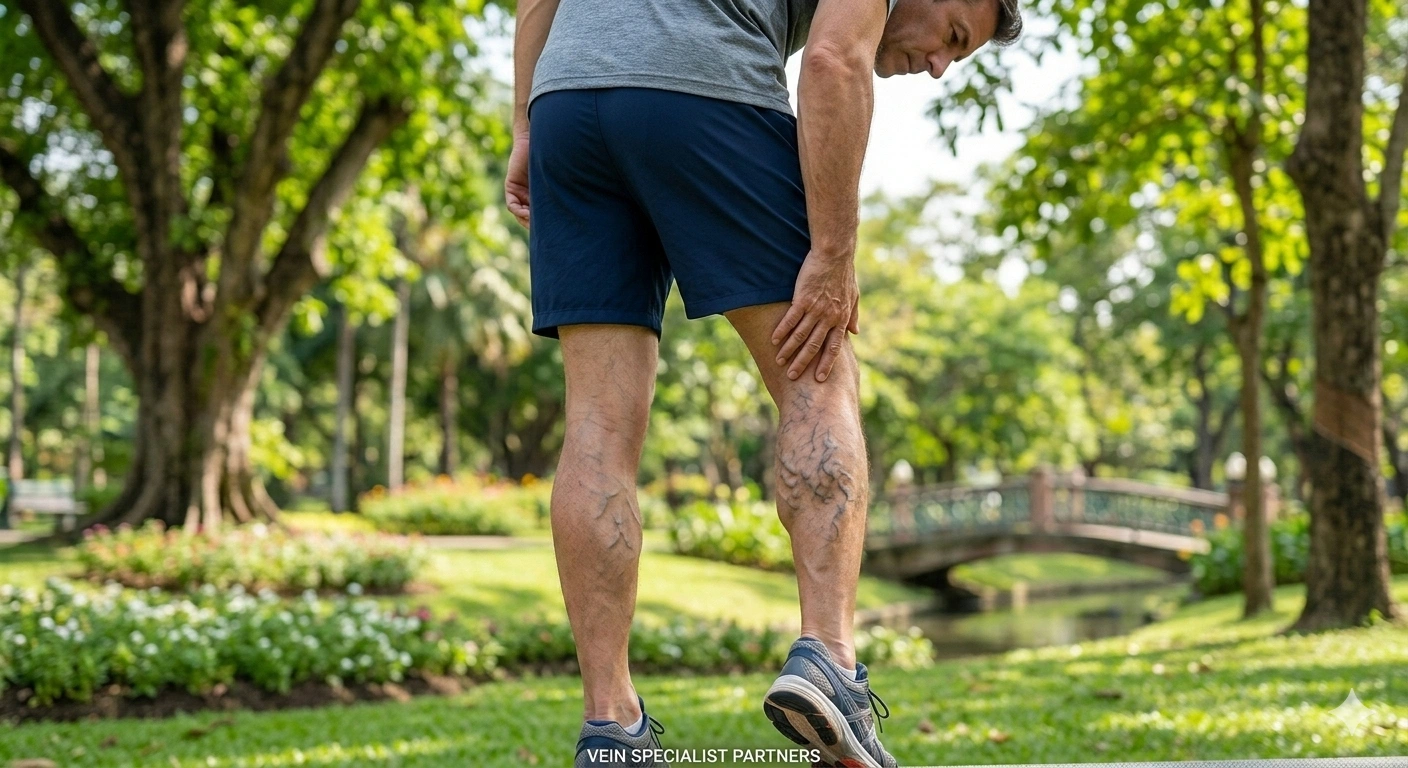
There's a dangerous pattern we see in our Hamilton and Feasterville vein treatment centers: Men wait. While women often seek treatment at the first sign of spider veins or mild discomfort, men typically don't come in until they're dealing with significant pain, severe swelling, skin changes, or even ulcers. This delay can turn a simple 30-minute office procedure into a complex treatment requiring multiple interventions.
The "Tough It Out" Mentality
We get it. As men, we're conditioned to push through discomfort, to not complain about "minor" aches and pains. But when it comes to varicose veins, this mindset works against you. Here's why:
What Happens When You Wait:
-
1.
Veins Get Worse:
Varicose veins are progressive. The damaged valves don't heal themselves—they get worse over time, causing more veins to fail.
-
2.
Treatment Becomes More Complex:
Early-stage varicose veins can often be treated with a single procedure. Advanced cases may require multiple treatments over several weeks.
-
3.
Recovery Takes Longer:
Treating advanced venous disease with complications means longer healing times and more restrictions on your activities.
-
4.
Risk of Serious Complications Increases:
The longer you wait, the higher your risk of developing ulcers, blood clots, and permanent skin damage.
The Research on Men and Delayed Treatment
Studies consistently show that men seek vein treatment at more advanced stages than women. According to the Clinical, Etiology, Anatomy, and Pathophysiology (CEAP) classification system for venous disease:
CEAP Classification Stages:
- Class 0-1: No visible veins or only spider veins
- Class 2: Visible varicose veins without symptoms
- Class 3: Swelling (edema)
- Class 4: Skin changes (discoloration, eczema, hardening)
- Class 5: Healed ulcer
- Class 6: Active ulcer
Men are statistically more likely to present at Class 4 or higher—meaning they already have skin changes or ulcers when they first seek treatment.
Early Warning Signs You Shouldn't Ignore
Don't wait for an ulcer to develop. Seek treatment if you experience any of these symptoms:
Physical Symptoms
- • Visible, bulging veins on legs
- • Aching or throbbing leg pain
- • Legs feel heavy or tired
- • Muscle cramps (especially at night)
- • Burning or itching around veins
- • Swelling in ankles or calves
Red Flag Symptoms
- • Skin discoloration (brown or red)
- • Dry, scaly, or hardened skin
- • Open sores or wounds
- • Bleeding from surface veins
- • Sudden onset of leg pain and swelling
- • Warmth and redness in calf
⚠ These require immediate medical attention
The Benefits of Early Treatment
When you address varicose veins early, you benefit from:
Advantages of Early Intervention:
✓ Simpler Procedures
A single endovenous ablation session can often treat early-stage varicose veins. More advanced cases may require multiple procedures including sclerotherapy, microphlebectomy, and wound care.
✓ Faster Recovery
Most men with early-stage treatment return to work in 1-2 days and resume all activities within a week. Advanced cases with complications can require weeks to months of healing.
✓ Better Outcomes
Success rates are highest when veins are treated before significant complications develop. Early treatment has success rates above 95%.
✓ Lower Costs
One preventive procedure is much more cost-effective than multiple treatments for complications—even with insurance coverage.
✓ Prevention of Serious Complications
Early treatment prevents DVT (deep vein thrombosis), venous ulcers, and permanent skin damage—conditions that can significantly impact your quality of life.
Real Talk: What's Holding You Back?
We've heard every reason for delaying treatment. Let's address the most common concerns:
"I don't have time for surgery and recovery"
Reality: Modern vein treatment isn't surgery. It's an office procedure done under local anesthesia. You walk in and walk out. Most men take at most 1-2 days off work. Compare this to waiting until you need complex wound care that can take months.
"It's not that bad yet"
Reality: If you're experiencing symptoms, it IS that bad. Varicose veins won't improve on their own—they only get worse. "Not that bad yet" often becomes "I should have done this years ago."
"I'm worried about the cost"
Reality: When medically necessary (pain, swelling, skin changes), vein treatment is covered by Medicare and most insurance plans. Our staff handles insurance verification and works with you on coverage. Treating complications later is always more expensive.
"I can live with it"
Reality: You shouldn't have to. Quality of life matters. Imagine sleeping through the night without leg cramps, finishing your workday without aching legs, or getting back to your athletic activities without limitations.
Take Action Today
The best time to treat varicose veins was at the first symptom. The second best time is today. Don't let another year go by dealing with discomfort and increasing your risk of complications.
Schedule Your Consultation
Your first visit includes:
- Comprehensive diagnostic venous ultrasound
- Discussion of your symptoms and lifestyle
- Personalized treatment plan
- Insurance verification
- All your questions answered
Saturday appointments available | Medicare accepted
Bottom Line
You wouldn't ignore chest pain or wait until a cavity becomes a root canal. Don't wait for varicose veins to become a serious health issue. Early treatment means:
- Simpler, faster procedures
- Better outcomes and faster recovery
- Prevention of serious complications
- Return to normal activities sooner
- Better quality of life
Don't wait, gentlemen. Your health and quality of life are worth it.
Expert Vein Care Right Here in Mercer County, NJ
When you need vein treatment in Hamilton, NJ, you don't have to travel far for world-class care. Our vein center serves patients throughout Mercer County, including Trenton, Ewing, Lawrence, Princeton, and surrounding communities. Led by Dr. Hadaya, a board-certified vein specialist, our Hamilton facility combines advanced technology with personalized treatment plans. We understand the unique needs of New Jersey patients and provide convenient access to expert vein care right in your community.
People Also Ask About Vein Treatment in NJ
Is Varicose Vein Treatment Covered by Insurance in NJ?
Yes, in most cases! Unlike purely cosmetic procedures, medically necessary varicose vein treatment is typically covered by insurance. When varicose veins cause symptoms like pain, swelling, leg heaviness, or skin changes, treatment is considered medical rather than cosmetic. Our Hamilton clinic accepts major insurance plans including Aetna, Medicare, and Medicaid. We offer free insurance verification to help you understand your coverage before treatment. Our experienced team will work directly with your insurance provider to determine eligibility, obtain necessary pre-authorizations, and maximize your benefits.
What is the Recovery Time for Minimally Invasive Vein Procedures?
One of the biggest advantages of modern vein treatment in Hamilton, NJ is the minimal recovery time. Minimally invasive procedures like endovenous laser ablation (EVLA) and radiofrequency ablation typically take just 30-60 minutes and are performed in our comfortable outpatient facility. Most patients return to work within 1-2 days and resume normal activities immediately after treatment. You can walk out of our Hamilton office on your own. This is a dramatic improvement over traditional vein stripping surgery that required weeks of recovery, general anesthesia, and significant downtime. With modern techniques, you can treat your vein problems without disrupting your life.
What Happens During the Initial Vein Consultation at Our Hamilton, NJ Clinic?
Your first visit to our Hamilton, NJ vein center is comprehensive yet straightforward. Dr. Hadaya will conduct a thorough physical examination and discuss your symptoms, medical history, and treatment goals. A crucial step in your evaluation is a diagnostic venous ultrasound (vein mapping). This sophisticated imaging allows us to see beneath the skin surface, assess blood flow, and identify the root cause of your vein problems. The ultrasound is completely non-invasive and painless. Based on these findings, we'll create a personalized treatment plan and review all your options. We'll also provide transparent pricing information and handle your insurance verification. The consultation typically takes 45-60 minutes.
What Are the Risks of Ignoring Varicose Veins or Venous Insufficiency?
While many people view varicose veins as primarily a cosmetic concern, ignoring them can lead to serious medical complications. Untreated venous insufficiency progressively worsens over time. Complications can include painful venous leg ulcers that are difficult to heal, permanent skin discoloration and thickening (stasis dermatitis), recurring superficial thrombophlebitis (vein inflammation), and increased swelling and leg pain. In some cases, severe venous disease can contribute to the development of Deep Vein Thrombosis (DVT), a potentially serious condition involving blood clots in deep veins. The good news is that early treatment with minimally invasive procedures can prevent these complications entirely. If you're experiencing symptoms, don't wait—schedule a consultation with our Hamilton vein specialists today.
Ready to Address Your Vein Concerns?
Schedule a consultation with Dr. Hadaya to discuss your condition and explore treatment options.