
Top 10 Causes of Swollen Legs and Ankles — And When It's a Vein Problem

Medically reviewed by Dr. Z. Hadaya, MD
Vein Treatment Centers of NJ
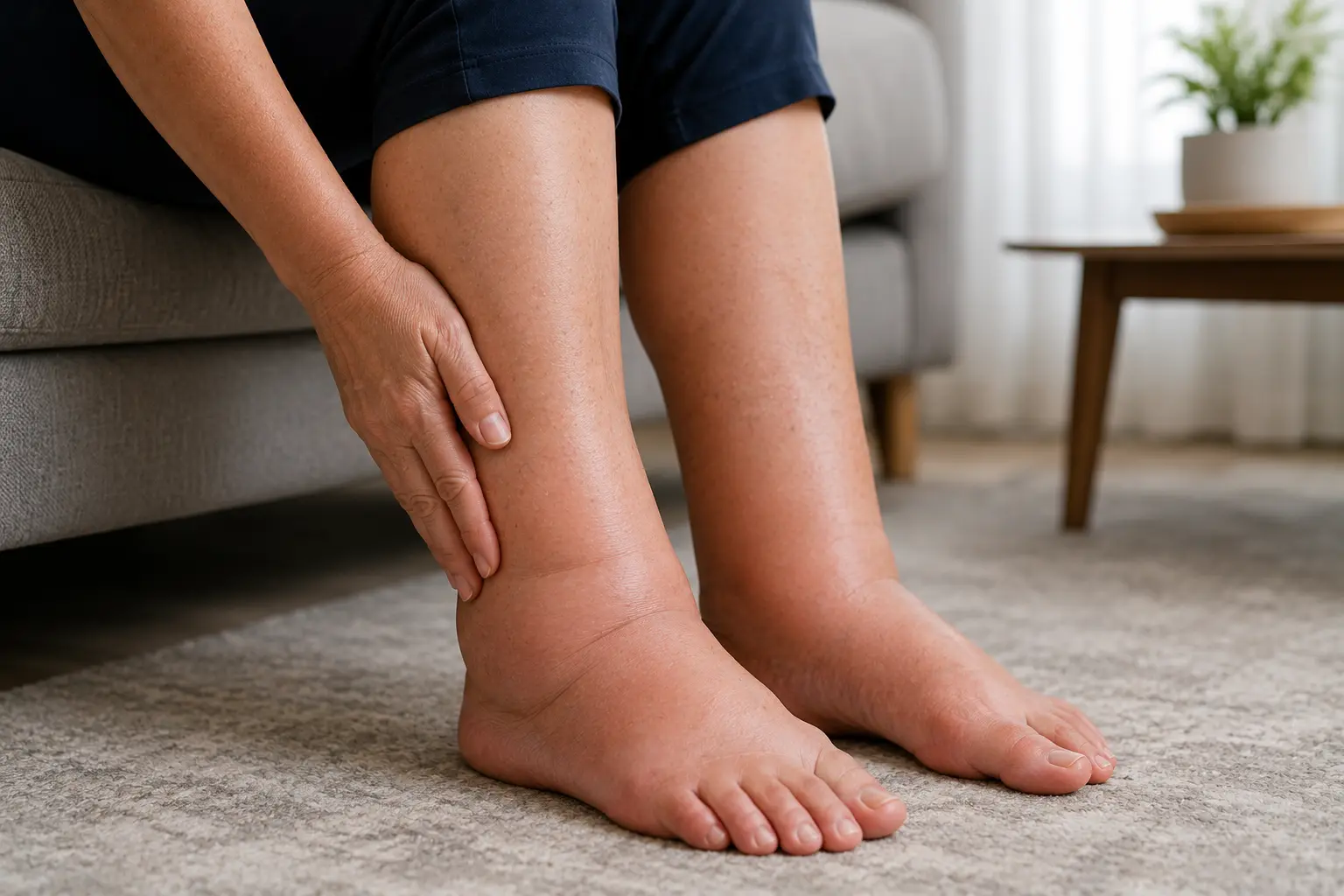
Why Are My Legs Swollen? A NJ Specialist's Answer
Swollen legs and ankles (edema) are among the most common complaints we evaluate at our Hamilton, NJ vein clinic. While leg swelling very frequently has a venous cause, it is important to understand the full spectrum of conditions that can produce this symptom — because some of them require urgent medical attention. This guide covers the ten most common causes, from benign to serious.
1. Chronic Venous Insufficiency (CVI)
The most common cause of bilateral ankle swelling in adults is chronic venous insufficiency — the failure of vein valves in the legs. When valves fail, blood pools in the lower legs, and the elevated pressure drives fluid out of the capillaries into the surrounding tissue. The resulting edema is characteristically: bilateral (both ankles), worse in the evening, improved with leg elevation, and accompanied by other venous symptoms like varicose veins, leg heaviness, or skin changes. CVI is highly treatable at our Hamilton clinic with minimally invasive procedures.
2. Deep Vein Thrombosis (DVT)
DVT — a blood clot in the deep veins — is one of the most important causes of leg swelling to identify promptly because it can be life-threatening. DVT-related swelling is typically unilateral (one leg only), sudden in onset, accompanied by warmth and redness, and often associated with calf pain. Risk factors include recent surgery, prolonged immobility, cancer, and clotting disorders.
If you have sudden, unilateral leg swelling with pain and redness, seek emergency care immediately.
3. Lymphedema
Lymphedema is swelling caused by a failure of the lymphatic system to drain excess fluid from the tissues. Unlike venous edema (which pits when pressed and typically resolves overnight), lymphedema is firm, does not pit easily, and does not fully resolve with elevation. Primary lymphedema is congenital; secondary lymphedema is most often caused by cancer treatment (lymph node removal or radiation). Management involves specialized lymphatic drainage therapy and compression.
4. Heart Failure
When the heart cannot pump blood forward efficiently, pressure backs up in the venous system, forcing fluid into the tissues. Heart failure causes bilateral, dependent edema (ankles and feet), and is often accompanied by shortness of breath, fatigue, and reduced exercise tolerance. This is a serious condition requiring cardiologic management — though many patients have both heart failure and venous insufficiency simultaneously.
5. Kidney Disease
The kidneys regulate fluid and protein balance. When kidney function is impaired, reduced protein in the blood (hypoalbuminemia) lowers the oncotic pressure that normally holds fluid inside blood vessels, allowing it to leak into tissues. Kidney disease edema is typically generalized (face, abdomen, and legs) rather than only in the legs.
6. Medications
Numerous common medications cause ankle swelling as a side effect. The most common offenders include:
- Calcium channel blockers (amlodipine, nifedipine) — used for blood pressure and heart conditions
- NSAIDs (ibuprofen, naproxen) — cause sodium retention
- Corticosteroids (prednisone)
- Hormonal medications (oral contraceptives, hormone replacement therapy)
- Thiazolidinediones (diabetes medications: pioglitazone, rosiglitazone)
Medication-related edema is typically bilateral, symmetric, and begins or worsens after the medication is started. Review your medications with your prescribing doctor if you suspect a drug cause.
7. Pregnancy
Mild ankle swelling is nearly universal in the third trimester of pregnancy and is caused by the expanding uterus compressing the inferior vena cava, combined with the 40–50% increase in blood volume. However, sudden onset of significant swelling in one or both legs during pregnancy should always be evaluated promptly — it can be a sign of DVT or preeclampsia.
8. Prolonged Immobility
Long flights, car trips, or bed rest cause blood and fluid to pool in the dependent lower legs simply due to the absence of the calf muscle pump. This type of edema resolves quickly with walking but is also a risk factor for DVT. Compression stockings during long travel are highly recommended, especially for people with pre-existing venous disease.
9. Superficial Thrombophlebitis
Inflammation and clotting in a superficial varicose vein can cause localized swelling, tenderness, and redness along the course of the vein. Unlike DVT, superficial thrombophlebitis is not immediately life-threatening, but it requires evaluation and treatment (anti-inflammatories, compression, sometimes anticoagulation) to prevent extension into the deep system.
10. Liver Disease
Advanced liver disease (cirrhosis) causes decreased albumin production and portal hypertension, leading to fluid accumulation in the abdomen (ascites) and lower extremities. Patients with liver disease often have bilateral leg edema along with abdominal distension, jaundice, or easy bruising.
When to See a Vein Specialist for Leg Swelling in NJ
See a vein specialist if your swelling is bilateral, worse in the evening, associated with visible varicose veins, leg heaviness, or skin changes — and especially if it has been present for more than a few weeks without a clear cause.
At Vein Treatment Centers of NJ, Dr. Hadaya performs a comprehensive duplex ultrasound to diagnose whether your leg swelling has a venous cause and to identify the best treatment approach. Serving Hamilton, Trenton, Princeton, and all of Central NJ. Call 609-585-4666.
Related Articles
Ready to Address Your Vein Concerns?
Schedule a consultation with Dr. Hadaya to discuss your condition and explore treatment options.