
Preparation and Aftercare: Ensuring Success for Your Vein Procedure
Medically reviewed by Dr. Z. Hadaya, MD
Vein Treatment Centers of NJ
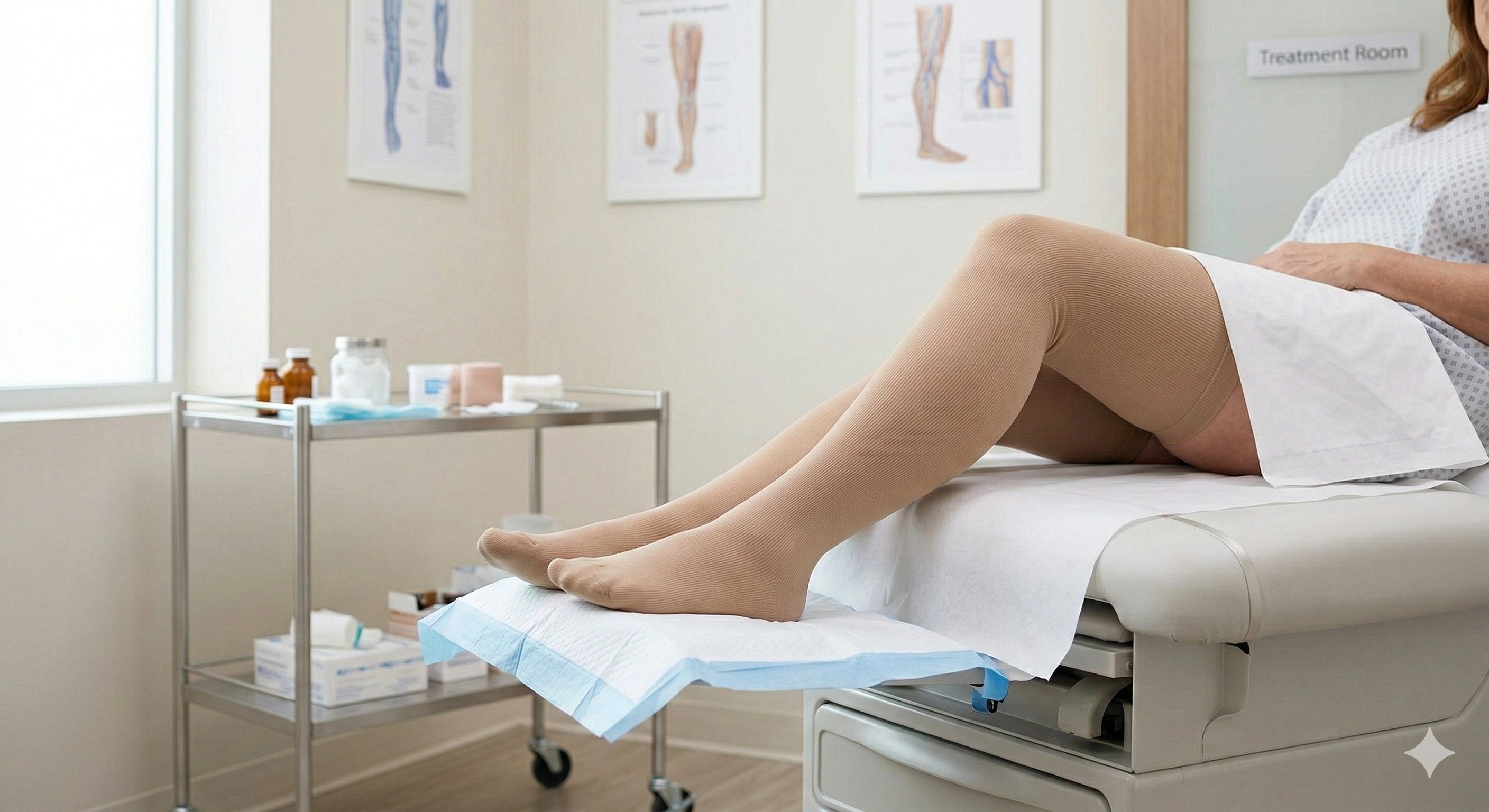
At Vein Treatment Centers of NJ, we have performed thousands of vein procedures. And we have learned one consistent truth: the patients who prepare carefully and follow aftercare instructions have better outcomes, faster recovery, and fewer complications. Whether you are scheduled for Radiofrequency Ablation, Endovenous Laser Treatment, or Sclerotherapy, this guide gives you everything you need to know before, during, and after your procedure.
Why Preparation Matters
Modern minimally invasive vein procedures are remarkably safe and effective. But they are still medical procedures that work best when the patient arrives prepared. Proper preparation:
- Ensures the ultrasound guidance system works optimally (oils and creams interfere with probe contact)
- Keeps the sterile field intact and minimizes infection risk
- Ensures your veins are accessible and well-hydrated for injection or catheter placement
- Prevents medication interactions that could increase bleeding or interfere with treatment
- Sets realistic expectations so you experience no anxiety or surprises
Pre-Procedure Checklist: The Week Before
Medications and Supplements
- Blood thinners: If you take prescription anticoagulants (warfarin, Eliquis, Xarelto, Pradaxa), discuss management with Dr. Hadaya at your pre-procedure appointment. Many vein procedures can be performed safely without stopping anticoagulation, but specific guidance depends on your procedure and health history.
- NSAIDs (aspirin, ibuprofen, naproxen): Avoid for 48–72 hours before sclerotherapy or phlebectomy to reduce bruising. RFA and EVLT generally do not require NSAID avoidance.
- Herbal supplements: Fish oil, vitamin E, garlic supplements, ginkgo, and ginger all have blood-thinning effects. Discontinue 1 week before procedures that involve incisions.
- Continue all other medications as prescribed, including blood pressure medications, unless specifically instructed otherwise.
Compression Stockings
If you have been prescribed compression stockings as part of your pre-authorization conservative therapy period, continue wearing them daily. Bring them to your procedure appointment — you may be asked to put them on immediately after treatment.
Arrange Transportation
Most patients can drive themselves home after RFA, EVLT, and sclerotherapy. However, if you take any anxiolytic medication, have received oral sedation, or feel unsteady after your procedure, arrange a driver. We recommend having someone drive you for your first procedure experience regardless.
The Day Before Your Procedure
Hydration
Drink plenty of water — at least 8 glasses — in the 24 hours before your procedure. Adequate hydration makes veins more prominent and accessible, facilitates catheter or needle placement, and reduces the likelihood of post-procedure dizziness. Avoid alcohol, which causes dehydration.
Diet
Unlike general anesthesia procedures, you do not need to fast before minimally invasive vein procedures. Eat normal, balanced meals. Arriving hungry can cause lightheadedness during or after treatment.
Sleep
Get a full night of sleep. Fatigue can increase anxiety and lower your pain threshold. Well-rested patients consistently report more comfortable procedure experiences.
The Morning of Your Procedure
What to Wear
- Loose, comfortable pants or shorts — avoid tight jeans, leggings, or constrictive clothing that will be difficult to put on or remove
- Open-toe shoes or flip-flops — easier to put on after compression stocking application
- Dark-colored clothing — iodine prep solution and ultrasound gel can occasionally stain; choose clothes you don't mind getting marked
- Leave jewelry at home — rings on fingers can create pressure issues when wearing compression garments
Skincare — What NOT to Apply
Do not apply any of the following to your legs on the day of treatment:
- Lotion or moisturizer
- Body oil or massage oil
- Sunscreen
- Self-tanner or bronzer
- Talcum or body powder
These products create a barrier between the ultrasound probe and your skin, degrading image quality and potentially compromising procedural accuracy. They also contaminate the sterile field around injection sites.
Final Hydration
Drink a full glass of water just before leaving for your appointment. This is particularly important for sclerotherapy patients, as well-hydrated veins are easier to inject accurately.
During Your Procedure: What to Expect
Understanding the procedure sequence reduces anxiety significantly:
Check-In and Preparation (15 minutes)
- Paperwork and consent forms reviewed and signed
- Blood pressure and vital signs recorded
- Legs marked with skin marker while standing (allows gravity to fill veins for accurate mapping)
- Treatment area cleaned with antiseptic solution
Anesthesia (10–15 minutes)
Local anesthetic injections numb the treatment area. You will feel pinches and stinging during injection, then progressive numbness. For RFA and EVLT, a tumescent anesthesia solution (dilute lidocaine) is infused around the entire vein using ultrasound guidance.
The Procedure (20–60 minutes depending on type)
During vein ablation, a thin catheter is guided into the incompetent vein under ultrasound guidance and heat energy closes the vein from the inside. During phlebectomy, the vein is physically removed through micro-incisions. During sclerotherapy, precise injections close targeted vessels. Most patients are surprised by how comfortable and routine the experience is.
Post-Procedure: The Critical First 48 Hours
Compression Is Non-Negotiable
Wearing your compression stocking as prescribed is the single most important thing you can do after your procedure. Compression:
- Keeps the treated vein walls pressed together, ensuring proper closure
- Reduces post-procedure bruising and swelling
- Lowers the risk of superficial thrombophlebitis (inflammation in treated veins)
- Improves overall outcomes and reduces recurrence rates
Do not remove the compression stocking early, even if it feels tight or uncomfortable. Call us at 609-585-4666 if you have concerns — we can advise you appropriately.
Walk — Don't Rest
The "active recovery" philosophy is central to our approach. Gentle walking immediately after your procedure activates the calf muscle pump, promotes venous return, and reduces clot risk. We recommend:
- A 15–20 minute walk immediately after leaving our office
- Additional 20–30 minute walks 2–3 times throughout the first day
- Gradual return to full activity over the following 1–2 weeks
What to Avoid in the First Week
- Strenuous exercise — high-impact activities, heavy lifting, or intense cardio for 7–10 days
- Hot baths, saunas, and hot tubs — heat causes blood vessel dilation, potentially reopening treated veins
- Direct sun exposure on treated areas — can cause hyperpigmentation (temporary skin darkening)
- Prolonged standing or sitting without movement — get up and walk regularly
What's Normal During Recovery
These are expected and do not require concern:
- Bruising along treated vein segments — may appear purple, blue, or yellow as it resolves over 2–4 weeks
- A firm, tender cord palpable under the skin — the treated vein as it undergoes fibrosis
- Temporary discoloration — brownish pigmentation that fades over weeks to months
- Mild swelling in the treated leg — managed with elevation and compression
- A pulling or tugging sensation when walking — the treated vein tethered to surrounding tissue
Warning Signs That Require a Call to Our Office
- Significant swelling, redness, or warmth in the treated leg that is worsening
- Fever above 101°F
- Sudden chest pain or shortness of breath
- Numbness or weakness in the leg
- A growing, painful lump at the procedure site
The Follow-Up Ultrasound: Why It Matters
At Vein Treatment Centers of NJ, every ablation patient receives a follow-up duplex ultrasound approximately 1–2 weeks after treatment. This imaging confirms that:
- The treated vein is completely closed along its entire length
- No deep vein thrombosis has developed (extremely rare, but important to confirm)
- Blood is flowing appropriately through healthy vessels
- Any residual varicose segments requiring sclerotherapy are identified
This follow-up is included in your treatment and is a critical part of ensuring optimal long-term results. Learn more about why comprehensive vein care matters for lasting outcomes.
Ready for Your Procedure?
Our patient care team is here to support you every step of the way. If you have questions about preparation, need to confirm your appointment details, or want to discuss any concerns, call us at 609-585-4666. We want your procedure to be as smooth and effective as possible.
For informational purposes only. Not medical advice.
Ready to Address Your Vein Concerns?
Schedule a consultation with Dr. Hadaya to discuss your condition and explore treatment options.